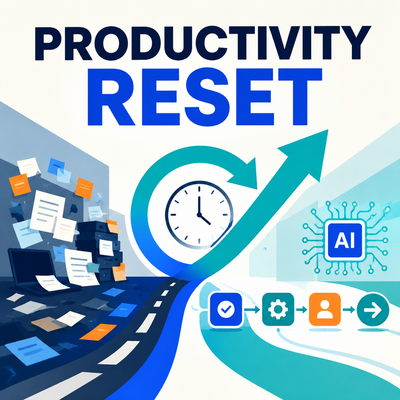
성장이 둔화되고 비용 부담이 커지면서 기업의 관심이 다시 생산성으로 향하고 있다. 그러나 오늘날의 생산성은 근무시간을 늘리거나 인력을 줄이는 방식만으로 높일 수 없다. 회의와 보고, 조직 구조와 성과 평가, AI 활용까지 업무 전체를 다시 설계해야 하는 시대가 시작됐다.
[Key Message]
* 저성장 시대의 생산성은 더 오래 일하는 것이 아니라, 한정된 자원으로 더 높은 가치를 만드는 능력이다.
* 바쁜 조직이 반드시 생산적인 조직은 아니며, 불필요한 회의·보고·승인 절차를 줄여야 실질적인 성과가 높아진다.
* 인력 감축보다 먼저 해야 할 일은 가치가 낮은 업무를 없애고 전체 업무 흐름을 다시 설계하는 것이다.
* AI의 생산성은 작업 속도만이 아니라 검증 비용, 오류 가능성, 의사결정의 질을 포함해 평가해야 한다.
* 지속 가능한 생산성은 사람을 몰아붙이는 효율이 아니라 집중·학습·책임·혁신이 가능한 조직을 만드는 데서 나온다.
***
저성장이 불러온 생산성의 귀환
생산성이 다시 기업 경영의 중심으로 돌아왔다. 한동안 기업들은 성장의 문제를 시장 확대와 투자, 인재 확보의 관점에서 바라봤다. 새로운 고객을 찾고, 사업 영역을 넓히고, 더 많은 사람을 채용하면 조직의 매출과 영향력도 자연스럽게 커질 수 있다고 믿었다. 풍부한 유동성과 낮은 금리, 빠르게 성장하는 디지털 시장은 이러한 확장 전략을 뒷받침했다.
그러나 저금리와 고성장을 전제로 설계된 경영 방식은 더 이상 그대로 작동하지 않는다. 금리와 원자재 가격, 임금과 에너지 비용이 상승했고 지정학적 갈등과 공급망 불안이 경영의 상수가 됐다. 소비자는 지출에 신중해졌고 이미 성숙한 시장에서는 경쟁사의 고객을 빼앗지 않는 한 빠른 성장을 기대하기 어렵다. 매출은 예전처럼 늘지 않는데 인건비와 시스템 운영비, 마케팅비와 금융비용은 계속 발생한다. 기업은 더 많은 자원을 투입해 성장하는 방식에서 벗어나, 이미 가진 자원을 얼마나 효과적으로 활용하는지를 묻기 시작했다.
생산성에 대한 관심은 단순한 유행이 아니다. OECD가 발표한 생산성 지표에서도 여러 회원국의 노동생산성 증가세는 2000년대 초반과 비교해 뚜렷하게 둔화했다. 생산성은 높아지고 있지만 향상 속도가 느려졌고, 국가와 산업 사이의 격차도 커졌다. 디지털 기술과 자동화, 클라우드와 인공지능이 빠르게 확산됐는데도 경제 전체의 생산성은 기대만큼 상승하지 않았다. 기업은 기술을 많이 도입했지만, 기술을 성과로 전환하는 운영 방식까지 함께 바꾸지는 못했다.
생산성은 흔히 한 사람이 일정 시간 동안 얼마나 많은 일을 처리했는지로 이해된다. 하지만 기업 차원의 생산성은 훨씬 복잡하다. 같은 인력과 자본을 활용해 얼마나 많은 부가가치를 만들어냈는지, 업무가 고객의 만족과 매출, 품질과 혁신으로 얼마나 연결됐는지를 함께 살펴야 한다. 보고서를 열 개 만든 사람이 보고서 두 개를 만든 사람보다 반드시 생산적인 것은 아니다. 두 개의 보고서가 중요한 의사결정을 이끌어냈다면 산출물의 수보다 가치가 더 크다.
저성장 시대의 생산성은 ‘더 많이’보다 ‘무엇을 위해’에 가까운 질문이다. 조직이 바쁜데도 성과가 나지 않는다면 사람의 태도보다 업무 구조를 먼저 살펴야 한다. 직원들이 열심히 일하는데 의사결정이 느리다면 결재와 권한 배분에 문제가 있을 수 있다. 회의가 계속 열리는데 협업이 나아지지 않는다면 회의의 목적과 참석자 구성이 잘못됐을 가능성이 크다. 디지털 도구를 늘렸는데 시간이 더 부족해졌다면 기술이 업무를 줄인 것이 아니라 새로운 업무를 만들어낸 것은 아닌지 확인해야 한다.
최근의 생산성 집착은 과거의 과학적 관리법과 닮았으면서도 다르다. 과거에는 작업을 세분화하고 표준화해 단위 시간당 생산량을 늘리는 것이 핵심이었다. 공장의 컨베이어벨트처럼 업무를 잘게 나누고, 가장 빠른 방법을 찾아 반복하게 했다. 오늘날에는 지식노동과 서비스업의 비중이 커졌다. 판단과 창의성, 고객과의 관계, 부서 간 협업처럼 숫자로 즉시 환산하기 어려운 활동이 성과를 좌우한다. 단순히 속도를 높이는 것만으로는 충분하지 않다. 잘못된 방향으로 더 빠르게 움직이면 낭비도 그만큼 커진다.
생산성의 귀환은 노동 강도의 귀환이 아니라 경영 설계의 귀환이어야 한다. 근무시간을 늘리고 목표치를 높이는 것은 가장 눈에 띄는 대응이지만 지속되기 어렵다. 저성장 속에서 필요한 것은 사람을 더 몰아붙이는 조직이 아니라, 불필요한 일을 찾아내고 중요한 업무에 시간과 판단력을 집중시키는 조직이다.
바쁘지만 생산적이지 않은 조직
현대 조직의 가장 큰 역설은 모든 사람이 바쁜데도 중요한 일이 늦어진다는 점이다. 일정표는 회의로 가득하고 메신저 알림은 끊임없이 울린다. 직원들은 수많은 이메일과 문서를 처리하지만 정작 고객 문제를 깊이 살펴보거나 새로운 아이디어를 발전시킬 시간은 부족하다고 느낀다. 업무량이 많다는 사실과 높은 가치가 만들어진다는 사실이 분리되고 있다.
디지털 협업 도구는 업무의 공간적 제약을 크게 줄였다. 문서를 실시간으로 공유하고 멀리 떨어진 사람과 즉시 회의할 수 있게 됐다. 그러나 소통 비용이 낮아지자 소통의 양은 폭발적으로 증가했다. 과거에는 굳이 전달하지 않았을 내용까지 공유되고, 몇 사람만 알아도 되는 정보가 조직 전체로 확산됐다. 누구나 쉽게 회의를 열고 메시지를 보낼 수 있게 되면서 상대방의 집중력을 사용하는 비용은 거의 고려되지 않았다.
Microsoft가 업무 데이터를 분석해 제시한 ‘무한 업무일’이라는 표현은 이러한 상황을 잘 보여준다. 업무는 정해진 근무시간 안에서 끝나는 것이 아니라 이른 아침의 이메일 확인에서 시작해 밤늦은 메시지와 회의로 이어진다. 업무 도구가 시간과 장소의 장벽을 없앴지만, 일과 휴식의 경계까지 함께 지워버렸다. 연결성이 높아졌다고 해서 생산성이 같은 비율로 높아지는 것은 아니다. 소통의 증가는 협업을 돕기도 하지만 집중을 조각내고 판단 피로를 키운다.
문제는 조직이 눈에 보이는 활동을 성과로 착각하기 쉽다는 데 있다. 회의 참석 횟수와 메일 응답 속도, 작성한 문서의 수는 측정하기 쉽다. 반면 복잡한 문제를 오랫동안 고민하거나 고객의 숨은 요구를 발견하고, 동료에게 필요한 지식을 전수하는 활동은 측정하기 어렵다. 측정하기 쉬운 지표가 평가에 반영되면 직원들은 가치보다 가시성을 관리하게 된다. 많은 일을 하는 것처럼 보이는 능력이 실제로 중요한 일을 완수하는 능력을 밀어낼 수 있다.
보고도 대표적인 생산성 착각을 만든다. 보고는 정보를 공유하고 책임 있는 판단을 돕기 위해 필요하다. 하지만 조직이 불확실성을 두려워할수록 보고의 단계와 형식은 늘어난다. 실무자는 업무를 추진하는 시간보다 진행 상황을 설명하는 데 더 많은 시간을 쓴다. 상위 관리자는 정보를 받지만 명확한 결정을 내리지 않고 추가 자료를 요구한다. 보고서는 길어지고 표현은 정교해지지만 의사결정은 늦어진다.
회의도 마찬가지다. 회의의 목적이 의견 수렴인지, 정보 공유인지, 최종 결정인지 분명하지 않으면 참석자는 각자 다른 기대를 가지고 들어온다. 정보만 전달하면 되는 회의에서 토론이 길어지고, 결정을 내려야 하는 회의에서는 책임자가 결론을 미룬다. 참석자가 많아질수록 한 사람당 발언 시간은 줄어들지만 조율해야 할 이해관계는 늘어난다. 회의가 많다는 것은 협업이 활발하다는 증거가 아니라, 평소의 역할과 권한이 불분명하다는 신호일 수 있다.
조직 내부의 승인 절차도 생산성을 떨어뜨리는 주요 원인이다. 승인은 위험을 줄이기 위한 장치지만 단계가 많아지면 누구도 최종 결과에 책임지지 않는 구조가 만들어진다. 실무자는 지시받은 대로 처리했다고 말하고, 중간관리자는 위에서 승인했다고 설명하며, 최종 책임자는 충분한 정보가 올라오지 않았다고 판단한다. 여러 사람이 검토했지만 아무도 깊이 판단하지 않은 결과가 나온다.
업무 과부하의 원인은 개인의 시간 관리 능력에만 있지 않다. 조직이 해야 할 일보다 하지 않을 일을 정하지 못할 때 과부하가 발생한다. 새로운 프로젝트는 쉽게 추가되지만 기존 업무는 좀처럼 사라지지 않는다. 경영진의 관심사가 바뀔 때마다 새로운 보고서와 회의체가 만들어지고, 이전 제도는 공식적으로 폐지되지 않은 채 남는다. 직원들은 오늘의 우선순위와 어제의 우선순위를 동시에 수행해야 한다.
따라서 생산성 혁신은 직원들에게 더 효율적으로 일하라고 주문하는 것에서 시작할 수 없다. 조직이 만들어낸 혼란과 중복, 불분명한 의사결정 구조를 먼저 줄여야 한다. 개인의 집중력을 보호하고 회의와 보고에 명확한 목적을 부여하며, 조직 차원에서 업무를 없애는 장치가 필요하다. 생산성은 개인의 성실성보다 조직의 선택 능력에 더 크게 좌우된다.
인력 감축에서 업무 리디자인으로
생산성 압박이 높아질 때 기업이 가장 먼저 선택하기 쉬운 방법은 인력을 줄이는 것이다. 매출이 정체된 상태에서 직원 수를 줄이면 1인당 매출과 영업이익 같은 지표가 빠르게 개선될 수 있다. 재무제표에도 효과가 즉시 나타난다. 그러나 인력 감축이 업무 감축과 함께 이루어지지 않으면 남은 사람의 부담만 커진다.
사람은 줄었지만 회의와 보고, 승인 단계와 프로젝트 수가 그대로라면 한 사람이 맡아야 하는 업무가 늘어난다. 초기에는 긴장감과 추가 노력으로 조직이 유지될 수 있다. 시간이 지나면 피로와 실수가 누적되고, 고객 응대와 품질 관리가 약해진다. 핵심 인재가 조직을 떠나고 남은 구성원은 새로운 시도를 피하게 된다. 단기적인 비용 절감이 장기적인 생산 역량의 손상으로 이어질 수 있다.
생산성 향상을 위해 먼저 물어야 할 질문은 “누구를 줄일 것인가”가 아니라 “어떤 일을 없앨 것인가”다. 업무의 목적이 사라졌는데 관행 때문에 유지되는 일, 여러 부서가 비슷한 자료를 따로 만드는 일, 활용되지 않는 데이터를 입력하는 일, 결정을 내리지 못한 채 반복되는 회의를 찾아야 한다. 업무가 사라지면 비용과 시간이 함께 줄어들지만, 사람만 사라지면 업무는 남은 직원에게 이동한다.
업무 리디자인은 현재의 절차를 조금 더 빠르게 만드는 것과도 다르다. 불필요한 열 단계의 과정을 자동화해 열 배 빠르게 처리하더라도 그 업무 자체가 필요하지 않다면 생산성이 높아졌다고 보기 어렵다. 효율화에 앞서 업무의 존재 이유를 확인해야 한다. 고객이나 경영 의사결정에 어떤 가치를 제공하는지 설명할 수 없는 업무라면 축소하거나 폐지하는 것이 맞다.
업무를 재설계할 때는 하나의 직무를 통째로 자동화하거나 없애려 하기보다, 직무를 구성하는 과업을 세분화해 살펴볼 필요가 있다. 하나의 직무 안에는 반복적인 데이터 입력, 규칙에 따른 검토, 관계자와의 조율, 예외 상황의 판단, 고객과의 감정적 소통, 새로운 해결책의 설계가 함께 들어 있다. 이 가운데 일부는 자동화에 적합하지만 일부는 인간의 경험과 책임이 필요하다.
국제노동기구가 생성형 AI의 영향을 분석하면서 강조한 부분도 직업의 전면적인 대체보다 과업의 변화 가능성이다. AI에 많이 노출되는 직무라고 해서 직무 전체가 즉시 사라지는 것은 아니다. 문서 작성과 정보 정리 같은 일부 활동이 자동화되면서 사람이 맡아야 할 업무의 구성과 비중이 달라질 수 있다. 따라서 생산성 혁신의 핵심은 인간을 기술과 경쟁시키는 것이 아니라 사람과 기술 사이의 새로운 역할 분담을 설계하는 데 있다.
예를 들어 고객 상담 업무에 AI를 도입할 경우 단순 문의와 반복적인 안내는 기술이 처리할 수 있다. 그러나 복잡한 불만이나 예외적인 상황, 고객의 감정을 다뤄야 하는 문제는 사람이 맡아야 한다. 이때 상담원의 수만 줄이면 고객 경험이 나빠질 수 있다. 반대로 AI가 정리한 정보를 상담원에게 제공하고, 상담원이 판단과 관계 형성에 집중하도록 업무를 바꾸면 응답 속도와 서비스 품질을 함께 높일 수 있다.
관리자의 업무도 재설계 대상이다. 많은 조직에서 관리자는 회의에 참석하고 보고서를 취합하며 상위 조직의 요청을 전달하는 데 대부분의 시간을 쓴다. 팀의 목표를 명확히 하고, 업무의 장애물을 제거하며, 구성원의 판단력을 높이는 본래 역할은 뒤로 밀린다. AI와 자동화를 활용해 정보 취합과 일정 조정, 정형 보고를 줄인다면 관리자는 코칭과 우선순위 설정, 부서 간 갈등 해결에 더 많은 시간을 사용할 수 있다.
조직 구조 역시 업무 흐름을 기준으로 살펴야 한다. 고객의 요청 하나를 처리하기 위해 여러 부서를 거쳐야 한다면 각 부서가 빠르게 일해도 전체 처리 시간은 길어질 수 있다. 부서별 생산성은 높지만 고객이 경험하는 생산성은 낮은 상황이다. 조직은 부분 최적화가 아니라 처음부터 끝까지 이어지는 가치 흐름을 기준으로 업무를 재구성해야 한다.
업무 리디자인에는 중단의 규칙도 필요하다. 많은 기업이 새로운 업무를 시작하는 절차는 갖고 있지만 기존 업무를 끝내는 절차는 없다. 새로운 프로젝트를 승인할 때 어떤 업무를 중단할 것인지 함께 결정하도록 만들면 우선순위가 보다 명확해진다. 일정 기간 사용되지 않은 보고서와 지표, 회의체를 자동으로 재검토하는 방식도 가능하다. 시작하는 능력만큼 멈추는 능력이 생산성을 좌우한다.
AI가 바꾸는 생산성의 계산법
생성형 AI는 생산성 논의를 다시 뜨겁게 만든 가장 강력한 요인이다. 문서 초안을 작성하고 자료를 요약하며 코드를 생성하고, 고객 문의를 분류하는 데 걸리는 시간이 크게 줄어들 수 있다는 기대가 확산됐다. 기업들은 AI를 활용해 같은 인력으로 더 많은 결과물을 만들거나, 비용을 줄이면서 기존 서비스를 유지할 수 있을 것으로 기대한다.
실제로 AI는 특정 과업의 속도를 높이는 데 강점을 보인다. 검색과 정리, 번역과 초안 작성, 반복되는 형식의 문서 생산처럼 언어와 정보 처리 비중이 큰 업무에서 즉각적인 도움을 줄 수 있다. 경험이 적은 직원에게 기본적인 작업 틀을 제공하고, 숙련자가 단순 업무에 쓰는 시간을 줄여주는 효과도 기대할 수 있다.
그러나 개인이 AI로 업무를 빨리 처리하는 것과 조직 전체의 생산성이 높아지는 것은 별개의 문제다. 직원 한 명이 보고서 초안을 두 배 빠르게 작성해도 검토와 승인 단계가 그대로라면 최종 의사결정 시간은 크게 줄지 않는다. 오히려 AI로 문서를 쉽게 만들 수 있게 되면서 보고서와 제안서의 수가 늘어나 검토 부담이 커질 수도 있다. 생산 속도의 증가는 산출물 과잉이라는 새로운 병목을 만들 수 있다.
AI가 만들어낸 결과물의 품질을 확인하는 비용도 고려해야 한다. 문장이 자연스럽고 형식이 완성돼 있어도 사실관계가 틀리거나 중요한 맥락이 빠질 수 있다. 오류를 발견하기 위해 숙련자가 다시 자료를 확인해야 한다면 절약한 시간의 일부가 검증에 사용된다. 오류가 고객과 시장으로 전달될 경우 품질 문제와 신뢰 훼손이라는 더 큰 비용이 발생한다.
따라서 AI 생산성은 ‘얼마나 빨리 만들었는가’만으로 계산할 수 없다. 생성에 걸린 시간과 검증 비용, 오류 가능성, 최종 결과가 만든 가치까지 포함해야 한다. 초안 작성 시간이 절반으로 줄었더라도 수정과 검증 시간이 두 배로 늘었다면 실질적인 생산성은 높아지지 않는다. 반대로 결과물의 수는 같더라도 고객 대응의 정확성과 의사결정의 질이 높아졌다면 생산성이 향상됐다고 볼 수 있다.
AI 도입의 단위를 개인 도구에서 업무 흐름으로 확대해야 하는 이유도 여기에 있다. 개인에게 AI 계정을 지급하고 사용을 권장하는 것만으로는 조직의 운영 방식이 바뀌지 않는다. 어떤 단계에서 AI가 자료를 수집하고, 누가 결과를 검증하며, 어떤 조건에서 사람이 개입하고, 최종 책임은 누가 지는지를 정해야 한다. 기술 사용 지침이 아니라 새로운 업무 운영 모델이 필요하다.
AI에 적합한 업무를 선택하는 기준도 분명해야 한다. 업무량이 많고 반복성이 높으며 결과를 비교적 쉽게 검증할 수 있는 과업은 자동화 효과가 크다. 반면 발생 빈도가 낮고 상황별 차이가 크며 오류의 비용이 높은 업무는 인간의 검토와 책임이 중요하다. 의료와 금융, 법률과 인사처럼 한 번의 오류가 개인의 권리와 조직의 신뢰에 큰 영향을 미치는 영역에서는 속도보다 검증 가능성과 책임 체계가 우선한다.
AI가 시간을 절약했을 때 그 시간을 어디에 사용할 것인지도 생산성의 중요한 변수다. 절약된 시간을 새로운 회의와 보고로 채운다면 노동 강도만 높아질 수 있다. 반대로 고객을 더 깊이 이해하고, 구성원이 새로운 기술을 배우고, 복잡한 문제를 해결하는 데 사용한다면 조직의 장기 역량이 높아진다. AI의 가치는 단순히 시간을 줄이는 데 있지 않고, 인간의 시간을 더 가치 있는 곳으로 이동시키는 데 있다.
인공지능 시대의 생산성은 사람 한 명이 얼마나 많은 일을 하는지가 아니라, 사람과 기술이 함께 얼마나 좋은 판단을 내리는지로 평가해야 한다. AI는 답변을 빠르게 만들 수 있지만 목표를 정하고 이해관계의 충돌을 조정하며 결과에 책임지는 역할까지 자동으로 해결하지는 않는다. 기술의 능력이 높아질수록 인간에게는 질문을 설계하고 결과를 판단하며 책임을 감당하는 역량이 더 중요해진다.
측정 가능한 성과의 함정
생산성을 높이려면 측정이 필요하다. 측정하지 않는 조직은 어디에서 시간이 낭비되고 무엇이 개선됐는지 알기 어렵다. 하지만 생산성을 지나치게 단순한 숫자로 환산하면 조직은 지표를 개선하면서 실제 성과를 훼손하는 함정에 빠질 수 있다.
콜센터 직원에게 통화 시간 단축만 요구하면 한 시간에 더 많은 고객을 응대할 수 있다. 그러나 고객의 문제를 충분히 해결하지 못하면 같은 고객이 다시 전화하게 된다. 첫 번째 통화의 효율은 높아졌지만 전체 고객 경험과 총처리 비용은 나빠질 수 있다. 영업사원에게 단기 매출만 강조하면 불필요한 상품을 판매하거나 할인에 의존할 가능성이 커진다. 현재의 수치는 좋아지지만 장기적인 고객 관계와 수익성은 약해질 수 있다.
지식노동에서는 측정의 어려움이 더 크다. 새로운 아이디어와 전략적 판단은 투입 시간과 산출물의 수로 평가하기 어렵다. 실패한 실험도 중요한 지식을 남길 수 있고, 당장 매출을 만들지 못한 연구가 몇 년 뒤 핵심 경쟁력으로 이어질 수 있다. 생산성을 단기 결과에만 연결하면 직원들은 성공 가능성이 높은 안전한 업무를 선택하고, 불확실하지만 가치가 큰 시도를 피하게 된다.
협업의 가치도 개인별 지표에서는 잘 보이지 않는다. 다른 사람을 도와주고 정보를 공유하며 후배를 교육하는 직원은 자신의 단기 산출량이 줄어들 수 있다. 개인 성과만 평가하면 지식을 독점하는 행동이 더 유리해진다. 조직 전체의 생산성은 낮아지지만 개인의 지표는 좋아지는 모순이 발생한다.
재택근무와 하이브리드 근무가 확대되면서 일부 조직은 화면 접속 시간, 메시지 전송량, 키보드 움직임처럼 관찰 가능한 활동을 생산성의 대리 지표로 사용하려 했다. 그러나 온라인에 오래 접속해 있다고 해서 중요한 일을 많이 했다는 의미는 아니다. 이러한 감시는 직원에게 불신의 신호를 보내고, 실제 업무보다 활동 기록을 관리하게 만든다. 생산성을 확인하려는 장치가 오히려 생산성을 떨어뜨릴 수 있다.
좋은 생산성 지표는 양과 질, 단기와 장기, 개인과 조직을 함께 바라봐야 한다. 처리량뿐 아니라 오류율과 고객 만족도를 확인하고, 단기 매출과 함께 재구매율이나 유지율을 살펴야 한다. 개인의 산출물뿐 아니라 팀 목표에 대한 기여와 지식 공유도 반영해야 한다. 모든 것을 하나의 숫자로 합치기보다 서로 긴장 관계에 있는 여러 지표를 함께 보는 편이 안전하다.
측정의 목적도 통제보다 학습에 두어야 한다. 지표를 처벌의 근거로만 사용하면 직원들은 수치를 방어하고 불리한 정보를 숨긴다. 반면 병목을 발견하고 업무를 개선하기 위한 자료로 사용하면 문제를 조기에 드러낼 수 있다. 생산성 데이터는 누가 게으른지를 찾는 도구가 아니라 어디에서 일이 막히는지를 확인하는 지도여야 한다.
조직은 측정되지 않는 여백의 가치도 인정해야 한다. 직원이 업무와 직접 관련 없어 보이는 정보를 탐색하고, 다른 부서 사람과 대화하며, 새로운 가능성을 고민하는 시간은 단기 지표로는 낭비처럼 보일 수 있다. 그러나 혁신은 정해진 절차를 빠르게 반복하는 데서만 나오지 않는다. 기존의 문제를 다르게 바라보고 서로 연결되지 않았던 아이디어를 결합하는 과정에서 나온다.
생산성 관리가 지나치면 모든 시간이 목표와 지표에 묶인다. 직원은 실험과 학습보다 당장 평가받을 수 있는 업무에 집중하고, 관리자는 실패 가능성이 있는 시도를 승인하지 않는다. 조직은 효율적으로 현재를 반복하지만 미래를 준비하는 능력을 잃게 된다. 효율과 혁신은 서로 반대되는 개념이 아니지만, 효율만을 극대화하면 혁신에 필요한 여유가 사라질 수 있다.
관리자의 역할과 새로운 성과관리
생산성 혁신에서 관리자의 역할은 매우 크다. 업무가 몰리고 우선순위가 충돌할 때 이를 조정해야 하는 사람이 관리자이기 때문이다. 그러나 많은 관리자가 생산성을 직원의 태도 문제로 해석한다. 일이 늦어지면 긴장감이 부족하다고 판단하고 더 자주 보고하도록 한다. 그 결과 직원은 일을 빨리 끝내기보다 진행 상황을 자주 설명하는 데 시간을 사용한다.
생산적인 관리자는 일을 추가하는 사람이 아니라 일을 선별하는 사람이다. 조직의 목표를 구체적으로 번역하고, 목표와 연결되지 않는 요청을 차단하며, 구성원이 스스로 판단할 수 있도록 권한의 범위를 명확히 해야 한다. 모든 사안을 관리자가 결정하면 일관성은 높아질 수 있지만 의사결정 속도는 느려지고 관리자가 병목이 된다.
권한 위임은 단순히 “알아서 하라”고 말하는 것이 아니다. 어떤 결과를 원하는지, 지켜야 할 기준은 무엇인지, 어느 수준의 위험까지 감수할 수 있는지 설명해야 한다. 업무의 경계를 명확히 할수록 직원은 매 단계에서 승인을 기다리지 않고 판단할 수 있다. 생산성은 지시의 속도보다 판단이 이루어지는 위치에 좌우된다.
성과관리도 연말 평가 중심에서 지속적인 조정 중심으로 바뀔 필요가 있다. 1년 전에 정한 목표를 연말까지 고정하면 시장과 고객의 변화가 반영되지 않는다. 직원은 이미 중요성이 낮아진 목표도 평가를 위해 계속 수행하게 된다. 목표를 짧은 주기로 점검하고 우선순위가 바뀌면 공식적으로 수정해야 한다.
좋은 목표는 무엇을 해야 하는지만큼 무엇을 하지 않아도 되는지를 알려준다. 목표가 많으면 사실상 목표가 없는 것과 비슷해진다. 모든 일이 중요하다고 선언하면 직원은 목소리가 큰 사람의 요청이나 마감이 가까운 업무부터 처리한다. 전략적인 중요성보다 긴급성이 자원을 차지한다. 핵심 목표의 수를 제한하고 새 목표가 추가될 때 기존 목표를 조정해야 한다.
생산성 향상 과정에서는 심리적 안전감도 중요하다. 직원이 비효율을 발견하더라도 기존 제도와 상사의 결정에 의문을 제기하기 어렵다면 낭비는 유지된다. 실패 가능성이나 업무 과부하를 솔직하게 말할 수 있어야 문제가 드러난다. 긍정적인 보고만 올라가는 조직에서는 경영진이 실제 생산성을 정확히 판단하기 어렵다.
관리자는 구성원이 보내는 시간이 아니라 만들어내는 결과와 학습을 살펴야 한다. 동시에 결과만 요구하고 과정의 제약을 무시해서도 안 된다. 목표 달성을 방해하는 시스템과 승인 구조, 자원 부족을 함께 확인해야 한다. 성과가 낮을 때 개인의 능력과 노력뿐 아니라 업무 설계에 어떤 문제가 있는지를 묻는 것이 관리자의 책임이다.
지속 가능한 생산성의 조건
생산성 집착은 저성장 시대에 피하기 어려운 흐름이다. 기업은 같은 비용으로 더 높은 가치를 만들어야 하고, 정부와 사회도 인구 감소와 노동력 부족 속에서 생활 수준을 유지할 방법을 찾아야 한다. 생산성 향상 자체를 부정할 수는 없다. 문제는 어떤 생산성을 추구하며 그 과정의 비용을 누구에게 부담시키느냐에 있다.
직원을 줄이고 업무 강도를 높이는 방식은 빠른 효과를 낼 수 있다. 그러나 피로와 이직, 품질 저하와 학습 기회의 감소가 누적되면 생산성은 다시 낮아진다. 사람을 소모해 만든 효율은 지속 가능하지 않다. 오늘의 처리량을 높이기 위해 내일의 역량을 훼손하는 방식은 생산성 개선이라기보다 비용의 이전에 가깝다.
지속 가능한 생산성은 먼저 가치 있는 일을 정의하는 데서 출발한다. 모든 부서와 직무는 자신의 활동이 고객과 조직에 어떤 변화를 만드는지 설명할 수 있어야 한다. 산출물의 수가 아니라 산출물이 만든 결과를 확인해야 한다. 보고서를 만드는 것이 목적이 아니라 더 나은 결정을 돕는 것이 목적이며, 회의를 여는 것이 아니라 필요한 합의와 결정을 만드는 것이 목적이다.
두 번째 조건은 불필요한 업무를 지속적으로 제거하는 능력이다. 한 번의 조직 개편이나 비용 절감 캠페인으로는 충분하지 않다. 시간이 지나면 업무와 규칙은 다시 쌓인다. 새로운 제도와 보고가 추가될 때 기존 업무를 함께 검토하고, 일정 기간 사용되지 않은 지표와 회의체를 정기적으로 폐지해야 한다. 업무의 신설뿐 아니라 업무의 종료에도 책임자를 두는 방식이 필요하다.
세 번째는 기술과 사람의 역할을 함께 설계하는 것이다. 자동화할 수 있다는 이유만으로 모든 업무를 기술에 넘겨서는 안 된다. 속도와 비용, 품질과 책임을 함께 살펴야 한다. AI는 반복적인 정보 처리를 담당하고 사람은 판단과 관계, 예외 상황과 책임에 집중하도록 역할을 나누는 것이 바람직하다. 기술이 사람을 밀어내는 구조보다 사람의 능력을 확장하는 구조가 장기적인 성과에 유리하다.
네 번째는 집중과 회복을 업무의 일부로 인정하는 것이다. 지식노동자의 집중력은 무한한 자원이 아니다. 끊임없는 알림과 회의, 잦은 업무 전환은 정신적 에너지를 소모한다. 조직은 회의가 없는 집중 시간, 응답을 요구하지 않는 시간대, 우선순위가 명확한 업무 환경을 설계해야 한다. 휴식은 생산성의 반대가 아니라 지속적인 판단과 창의성을 가능하게 하는 조건이다.
다섯 번째는 생산성 향상의 이익을 공정하게 나누는 것이다. 기술과 업무 재설계로 더 많은 성과가 만들어졌는데 그 이익이 기업에만 돌아가고 직원에게는 더 많은 업무만 주어진다면 변화에 대한 신뢰를 얻기 어렵다. 절약된 시간을 학습과 경력 개발에 활용하고, 성과 향상이 보상과 근무 환경의 개선으로 이어지게 해야 한다. 구성원이 생산성 혁신의 수혜자가 될 때 변화에도 적극적으로 참여할 수 있다.
생산성은 숫자이면서 동시에 조직의 철학이다. 무엇을 가치로 인정하는지, 사람을 비용으로만 바라보는지 역량의 원천으로 보는지, 기술을 감시와 통제에 사용하는지 판단과 창의성을 돕는 데 사용하는지가 생산성 관리 방식에 드러난다.
저성장 시대의 기업은 이전보다 더 적은 여유 속에서 선택해야 한다. 모든 일을 유지한 채 속도만 높이는 방식에는 한계가 있다. 중요한 일과 중요하지 않은 일을 구분하고, 사람이 해야 할 일과 기술에 맡길 일을 나누며, 단기 성과와 장기 역량 사이의 균형을 설계해야 한다.
생산성의 진정한 목표는 사람을 더 바쁘게 만드는 것이 아니다. 조직이 덜 헤매고, 덜 기다리고, 덜 반복하면서 고객과 사회에 더 큰 가치를 제공하도록 만드는 데 있다. 생산성 집착이 노동 강도의 상승으로 흐른다면 조직은 빠르게 지칠 것이다. 반대로 업무의 목적과 구조를 다시 묻는 계기가 된다면 저성장의 압박은 낡은 운영 방식을 바꾸는 동력이 될 수 있다.
앞으로 생산적인 조직을 가르는 기준은 직원들이 얼마나 오래 일하는지가 아니다. 가치 없는 업무를 얼마나 과감히 없애고, 절약한 시간과 기술을 얼마나 중요한 문제에 투입하는지가 경쟁력을 결정한다. 생산성은 더 많은 일을 시키는 기술이 아니라, 더 나은 일을 선택하는 경영 능력으로 다시 정의돼야 한다.
Reference
OECD, June 2026, OECD, OECD Compendium of Productivity Indicators 2026
Microsoft WorkLab, June 2025, Microsoft, Breaking Down the Infinite Workday
International Labour Organization, May 2025, Gmyrek, P., et al., Generative AI and Jobs: A Refined Global Index of Occupational Exposure
International Monetary Fund, January 2026, Georgieva, K., New Skills and AI Are Reshaping the Future of Work
Microsoft WorkLab, April 2025, Microsoft, 2025: The Year the Frontier Firm Is Born
The Return of the Productivity Obsession: Companies Are Reassessing the Value of Every Task
As growth slows and cost pressures mount, corporate attention is turning back to productivity. Productivity today, however, cannot be improved simply by extending working hours or reducing headcount. An era has begun in which companies must redesign the entire structure of work, from meetings, reporting, organizational structures, and performance evaluations to the use of AI.
[Key Message]
* In an era of slow growth, productivity means creating greater value with limited resources, not working longer hours.
* A busy organization is not necessarily a productive one; reducing unnecessary meetings, reports, and approval procedures is essential to improving real performance.
* Before reducing headcount, companies should eliminate low-value tasks and redesign the entire flow of work.
* AI productivity must be evaluated not only by speed, but also by verification costs, the risk of errors, and the quality of decision-making.
* Sustainable productivity comes from building an organization that supports focus, learning, accountability, and innovation?not from pushing people harder.
***
The Return of Productivity in an Era of Slow Growth
Productivity has returned to the center of corporate management. For a time, companies viewed growth primarily through the lenses of market expansion, investment, and talent acquisition. They believed that finding new customers, expanding into new business areas, and hiring more people would naturally increase both revenue and organizational influence. Abundant liquidity, low interest rates, and rapidly growing digital markets supported these expansion strategies.
Management practices designed around the assumptions of low interest rates and high growth no longer function in the same way. Interest rates, raw material prices, wages, and energy costs have risen, while geopolitical conflict and supply chain instability have become permanent features of the business environment. Consumers have become more cautious about spending, and companies in mature markets can rarely expect rapid growth without taking customers from competitors. Revenue no longer rises as it once did, but labor expenses, system operating costs, marketing budgets, and financing costs continue to accumulate. Companies have therefore begun moving away from growth driven by ever-greater resource inputs and asking how effectively they are using the resources they already possess.
The renewed focus on productivity is not merely a passing trend. OECD productivity indicators show that labor productivity growth in many member countries has slowed noticeably compared with the early 2000s. Productivity is still rising, but the pace of improvement has weakened, while disparities among countries and industries have widened. Although digital technology, automation, cloud computing, and artificial intelligence have spread rapidly, economy-wide productivity has not increased as much as expected. Companies have adopted large amounts of technology without necessarily changing the operating systems needed to convert that technology into performance.
Productivity is commonly understood as the amount of work one person completes within a given period. Corporate productivity, however, is far more complex. It must consider how much added value is created from the same labor and capital, as well as how closely work is connected to customer satisfaction, revenue, quality, and innovation. A person who produces ten reports is not necessarily more productive than someone who produces two. If those two reports lead to important decisions, the value of the output matters more than its quantity.
Productivity in an era of slow growth is less a question of “how much more” than of “for what purpose.” If an organization is busy but fails to produce results, it should examine the structure of work before questioning employee attitudes. If employees work hard but decisions remain slow, the problem may lie in approval procedures and the distribution of authority. If meetings continue to multiply without improving collaboration, the purpose of those meetings or the composition of their participants may be flawed. If digital tools have increased while employees feel even more pressed for time, the organization must determine whether technology has reduced work or merely created additional tasks.
The recent productivity obsession resembles the scientific management practices of the past, but it is also fundamentally different. In the past, the core objective was to divide and standardize work to increase output per unit of time. Tasks were broken into smaller parts, like work on a factory conveyor belt, and the fastest method was identified and repeated. Today, knowledge work and service industries account for a much larger share of the economy. Performance depends on activities that are difficult to translate immediately into numbers, including judgment, creativity, customer relationships, and collaboration across departments. Simply increasing speed is no longer sufficient. Moving faster in the wrong direction only increases waste.
The return of productivity should therefore be understood not as a return to greater work intensity, but as a return to management design. Extending working hours and raising performance targets may be the most visible responses, but they are difficult to sustain. What the low-growth era requires is not an organization that pushes people harder, but one that identifies unnecessary work and concentrates time and judgment on what matters.
Busy but Unproductive Organizations
The greatest paradox of the modern workplace is that everyone is busy while important work continues to be delayed. Calendars are filled with meetings, and messenger notifications never stop. Employees process countless emails and documents but feel that they have too little time to examine customer problems deeply or develop new ideas. The amount of work being done has become disconnected from the amount of value being created.
Digital collaboration tools have substantially reduced the spatial limitations of work. Documents can be shared in real time, and meetings can be held instantly with people in distant locations. Yet as the cost of communication has fallen, the volume of communication has exploded. Information that once might not have been shared at all is now circulated, while content that only a few people need to know is distributed throughout the organization. Because anyone can easily arrange a meeting or send a message, little consideration is given to the cost imposed on other people’s concentration.
The term “infinite workday,” introduced by Microsoft through its analysis of workplace data, captures this situation well. Work no longer ends within defined working hours. It begins with checking email early in the morning and continues through late-night messages and meetings. Workplace tools have removed the barriers of time and location, but they have also erased the boundary between work and rest. Greater connectivity does not increase productivity at the same rate. More communication may support collaboration, but it also fragments concentration and intensifies decision fatigue.
The problem is that organizations easily mistake visible activity for performance. The number of meetings attended, the speed of email responses, and the volume of documents produced are easy to measure. In contrast, it is difficult to measure time spent thinking deeply about a complex problem, discovering an unspoken customer need, or transferring valuable knowledge to a colleague. When easily measurable indicators are incorporated into performance evaluations, employees begin managing visibility rather than value. The ability to appear busy can displace the ability to complete genuinely important work.
Reporting creates another productivity illusion. Reports are necessary to share information and support responsible decision-making. As organizations become more fearful of uncertainty, however, the number of reporting stages and required formats increases. Employees spend more time explaining the status of work than actually advancing it. Senior managers receive information but postpone clear decisions and request additional materials. Reports become longer and more polished, while decisions become slower.
The same applies to meetings. If it is unclear whether a meeting is intended to gather opinions, share information, or make a final decision, participants enter with different expectations. Discussions become unnecessarily long in meetings where information alone would have been sufficient, while decision-makers defer conclusions in meetings where decisions are essential. As the number of participants increases, speaking time per person declines, even as the number of interests requiring coordination rises. A large number of meetings is not necessarily evidence of active collaboration. It may instead signal that ordinary roles and decision rights are poorly defined.
Internal approval procedures are another major source of lost productivity. Approval systems are designed to reduce risk, but when too many stages are added, they create structures in which no one accepts responsibility for the final outcome. Employees say they acted according to instructions, middle managers say senior executives approved the work, and final decision-makers argue that they were not given sufficient information. Many people may have reviewed the work, yet no one may have exercised deep judgment.
The cause of work overload does not lie solely in the time-management abilities of individuals. Overload arises when an organization cannot decide what it will not do. New projects are easily added, but existing work rarely disappears. Every shift in executive attention produces new reports and committees, while previous systems remain in place because they were never formally abolished. Employees are expected to carry out yesterday’s priorities and today’s priorities at the same time.
Productivity innovation therefore cannot begin by instructing employees to work more efficiently. Organizations must first reduce the confusion, duplication, and unclear decision structures they have created. They must protect individual concentration, assign clear purposes to meetings and reports, and establish mechanisms for eliminating work at the organizational level. Productivity depends more heavily on an organization’s ability to choose than on an individual’s diligence.
From Headcount Reduction to Work Redesign
When productivity pressure rises, reducing headcount is often the first and easiest option for companies. If the number of employees falls while revenue remains unchanged, measures such as revenue and operating profit per employee can improve quickly. The effect also appears immediately on financial statements. If headcount reduction is not accompanied by a reduction in work, however, the burden simply shifts to the employees who remain.
If the number of employees falls but meetings, reports, approval procedures, and projects remain unchanged, each person must take on more work. In the early stages, the organization may continue operating through heightened tension and additional effort. Over time, fatigue and errors accumulate, while customer service and quality control deteriorate. Key talent leaves, and remaining employees avoid experimentation. Short-term cost savings can damage the organization’s long-term productive capacity.
The first question in productivity improvement should not be “Whom should we eliminate?” but “What work should we eliminate?” Companies must identify tasks that continue only through habit after their original purpose has disappeared, duplicate materials produced separately by multiple departments, data that are entered but never used, and meetings that repeat without producing decisions. When work disappears, both time and costs decline. When only people disappear, the work is transferred to those who remain.
Work redesign also differs from simply accelerating current procedures. Even if an unnecessary ten-stage process is automated and completed ten times faster, productivity has not truly improved if the process itself serves no purpose. Before improving efficiency, the organization must confirm why the work exists. If a task cannot be shown to provide value to customers or managerial decision-making, it should be reduced or eliminated.
When redesigning work, organizations should examine the individual tasks that make up a job rather than attempting to automate or eliminate the entire occupation at once. A single job may combine repetitive data entry, rule-based review, coordination with stakeholders, judgment in exceptional situations, emotional communication with customers, and the design of new solutions. Some of these activities are well suited to automation, while others require human experience and responsibility.
The International Labour Organization has also emphasized the transformation of tasks rather than the wholesale replacement of occupations in its analysis of generative AI. Even when a job is highly exposed to AI, the entire occupation does not necessarily disappear immediately. As activities such as document preparation and information organization are automated, the composition and relative importance of the work performed by humans may change. The central challenge of productivity innovation is therefore not to place humans in competition with technology, but to design a new division of responsibilities between them.
Consider the introduction of AI into customer service. Technology can handle simple inquiries and repetitive instructions, but people remain necessary for complex complaints, exceptional circumstances, and problems involving customer emotions. If a company simply reduces the number of service agents, the customer experience may deteriorate. If AI instead organizes relevant information for agents and allows them to concentrate on judgment and relationship-building, both response speed and service quality can improve.
Managerial work also requires redesign. In many organizations, managers spend most of their time attending meetings, compiling reports, and relaying requests from senior management. Their primary responsibilities?clarifying team goals, removing obstacles, and strengthening employee judgment?are pushed aside. If AI and automation reduce information collection, scheduling, and standardized reporting, managers can devote more time to coaching, setting priorities, and resolving conflicts across departments.
Organizational structures should likewise be examined according to the flow of work. If a single customer request must pass through several departments, the total processing time may remain long even when each department works quickly. Department-level productivity may appear high while productivity as experienced by the customer remains low. Organizations must redesign work according to the end-to-end flow of value rather than optimizing individual departments in isolation.
Work redesign also requires rules for stopping. Many companies have procedures for starting new work but none for ending existing work. If the approval of a new project requires a simultaneous decision about which existing task will be discontinued, priorities become clearer. Reports, indicators, and committees that have not been used for a specified period can also be reviewed automatically. The ability to stop is as important to productivity as the ability to begin.
How AI Changes the Productivity Equation
Generative AI is the strongest force reigniting the productivity debate. Expectations have spread that the time required to draft documents, summarize materials, generate code, and classify customer inquiries can be reduced dramatically. Companies hope to use AI to create more output with the same workforce or to maintain existing services at a lower cost.
AI does, in fact, excel at accelerating certain tasks. It can provide immediate assistance in language- and information-intensive activities such as search, organization, translation, drafting, and the production of documents in repetitive formats. It can also offer basic frameworks to less experienced employees while reducing the time skilled workers spend on routine tasks.
Yet an individual completing a task faster with AI is not the same as an organization becoming more productive. Even if one employee produces a report draft twice as quickly, the final decision may not be made much faster if the review and approval stages remain unchanged. Because AI makes documents easier to produce, the number of reports and proposals may actually rise, increasing the burden of review. Faster production can create a new bottleneck in the form of excessive output.
The cost of verifying AI-generated work must also be considered. Even when the language sounds natural and the format appears complete, factual errors may remain or important context may be missing. If experienced employees must verify the material again to detect mistakes, some of the time saved will be consumed by validation. If errors reach customers or the market, the company may face the much greater costs of quality failures and damaged trust.
AI productivity therefore cannot be calculated solely by asking how quickly something was produced. The equation must include production time, verification costs, the likelihood of error, and the value created by the final result. If drafting time is cut in half but editing and verification time doubles, real productivity has not improved. Conversely, even if the number of outputs remains unchanged, productivity may have risen if customer responses become more accurate and decisions improve.
This is why AI adoption must expand from the level of individual tools to the level of complete workflows. Providing employees with AI accounts and encouraging them to use the technology does not change the organization’s operating system. Companies must define the stages at which AI will collect information, who will validate its output, under what conditions people will intervene, and who will hold final responsibility. What is needed is not merely a set of technology usage guidelines, but a new operating model for work.
The criteria for selecting AI-appropriate work must also be clear. Tasks that are high in volume, repetitive, and relatively easy to verify offer strong potential for automation. In contrast, work that occurs infrequently, varies substantially by situation, and carries a high cost of error requires human review and responsibility. In areas such as healthcare, finance, law, and human resources, where a single error can significantly affect individual rights and organizational trust, verifiability and accountability must take precedence over speed.
How the time saved by AI is used is another important productivity variable. If the saved time is filled with new meetings and reports, work intensity may simply increase. If it is used to understand customers more deeply, help employees acquire new skills, and solve complex problems, the organization’s long-term capabilities can grow. The value of AI lies not only in reducing time, but in moving human time toward more valuable activities.
Productivity in the age of artificial intelligence should be assessed not by how much work one person completes, but by how well people and technology make decisions together. AI can produce answers rapidly, but it does not automatically determine goals, reconcile conflicting interests, or assume responsibility for outcomes. As technology becomes more capable, people need stronger skills in framing questions, judging results, and accepting responsibility.
The Trap of Measurable Performance
Productivity improvement requires measurement. An organization that does not measure cannot easily determine where time is being wasted or what has improved. If productivity is reduced to overly simple numbers, however, an organization may improve its indicators while damaging its real performance.
If call center employees are evaluated only on shorter call times, they can handle more customers per hour. But if customer problems are not fully resolved, the same customers may need to call again. The efficiency of the first call improves, while the total customer experience and overall processing costs deteriorate. If salespeople are judged only on short-term revenue, they may sell unnecessary products or rely excessively on discounts. Current figures improve, but long-term customer relationships and profitability weaken.
Measurement is even more difficult in knowledge work. New ideas and strategic judgment cannot be evaluated easily through input hours or the number of outputs. A failed experiment can produce valuable knowledge, while research that creates no immediate revenue may become a core capability several years later. When productivity is connected only to short-term results, employees choose safe work with a high probability of success and avoid uncertain but potentially valuable initiatives.
The value of collaboration is also poorly reflected in individual performance indicators. Employees who help others, share information, and train junior colleagues may produce fewer short-term outputs of their own. If evaluations focus exclusively on individual performance, withholding knowledge becomes more advantageous. Organizational productivity declines even as individual indicators improve.
As remote and hybrid work expanded, some organizations attempted to use observable activities such as screen time, message volume, and keyboard movement as proxies for productivity. Remaining online for long periods, however, does not mean that important work is being completed. Such surveillance signals distrust and encourages employees to manage activity records rather than perform meaningful work. A system introduced to verify productivity may instead reduce it.
Good productivity indicators must consider quantity and quality, the short term and the long term, and individuals and organizations at the same time. Organizations should examine not only processing volume but also error rates and customer satisfaction, and they should assess short-term sales alongside repeat purchase or retention rates. Individual output should be considered together with contributions to team goals and knowledge sharing. It is safer to examine several indicators that exist in tension with one another than to compress everything into a single number.
The purpose of measurement should also be learning rather than control. When indicators are used only as a basis for punishment, employees defend the numbers and conceal unfavorable information. When they are used to discover bottlenecks and improve work, problems can be exposed early. Productivity data should not be a tool for identifying who is lazy. It should be a map showing where work is becoming obstructed.
Organizations must also recognize the value of unmeasured space. Time spent exploring information that appears unrelated to immediate responsibilities, speaking with people in other departments, or considering new possibilities may look like waste according to short-term indicators. Innovation, however, does not emerge only from repeating established processes more quickly. It also arises from viewing old problems differently and combining previously disconnected ideas.
When productivity management becomes excessive, every hour is tied to a target or indicator. Employees concentrate on work that can be evaluated immediately rather than on experimentation and learning, while managers avoid approving initiatives that might fail. The organization becomes efficient at repeating the present but loses the ability to prepare for the future. Efficiency and innovation are not opposites, but maximizing efficiency alone can eliminate the space required for innovation.
The Manager’s Role and a New Approach to Performance Management
Managers play a major role in productivity innovation because they must resolve work overload and competing priorities. Yet many managers interpret productivity as an employee attitude problem. When work is delayed, they assume that employees lack urgency and require more frequent reports. Employees then spend more time explaining progress than advancing the work itself.
A productive manager does not merely add work but selects it. Managers must translate organizational goals into concrete priorities, block requests that do not support those goals, and define the scope of authority so that employees can exercise independent judgment. When every issue requires a managerial decision, consistency may improve, but decision-making slows and the manager becomes a bottleneck.
Delegation does not simply mean telling employees to handle matters on their own. Managers must explain the desired outcome, the standards that must be upheld, and the acceptable level of risk. The clearer the boundaries of the work, the more confidently employees can make decisions without waiting for approval at every stage. Productivity depends less on the speed of instructions than on where judgment is allowed to occur.
Performance management also needs to shift from annual evaluation toward continuous adjustment. If goals established a year earlier remain fixed until the end of the year, they may no longer reflect changes in markets and customer needs. Employees continue pursuing objectives that have lost importance simply because those objectives remain tied to their evaluations. Goals should be reviewed at shorter intervals and formally revised when priorities change.
A good goal communicates not only what must be done but also what no longer needs to be done. When there are too many goals, the organization effectively has none. If everything is declared important, employees deal first with requests from the loudest person or tasks with the nearest deadline. Urgency captures resources that should be directed by strategic importance. The number of core goals should be limited, and existing goals should be adjusted whenever new ones are added.
Psychological safety is also important in productivity improvement. Waste persists when employees identify inefficiencies but feel unable to question established systems or decisions made by senior managers. People must be able to speak honestly about the possibility of failure and excessive workloads before problems can become visible. In organizations where only positive reports travel upward, executives cannot accurately assess real productivity.
Managers should examine the results and learning that employees produce rather than the amount of time they appear to spend working. At the same time, they should not demand results while ignoring constraints in the process. Systems, approval structures, and resource shortages that obstruct goal achievement must also be addressed. When performance is weak, it is the manager’s responsibility to examine not only individual ability and effort but also flaws in work design.
The Conditions for Sustainable Productivity
Productivity pressure is difficult to avoid in an era of slow growth. Companies must create greater value at the same cost, while governments and societies must find ways to maintain living standards amid population decline and labor shortages. Productivity improvement itself cannot be rejected. The central questions are what kind of productivity is being pursued and who bears the costs of achieving it.
Reducing headcount and increasing work intensity can produce rapid results. As fatigue, turnover, quality deterioration, and reduced learning opportunities accumulate, however, productivity declines again. Efficiency achieved by exhausting people is not sustainable. Sacrificing tomorrow’s capabilities to increase today’s output is closer to shifting costs than improving productivity.
Sustainable productivity begins by defining valuable work. Every department and occupation should be able to explain how its activities create change for customers and the organization. What matters is not the number of outputs, but the results those outputs produce. The purpose of writing a report is not the report itself but better decision-making. The purpose of holding a meeting is not the meeting itself but reaching necessary agreement and making decisions.
The second condition is the continuous ability to remove unnecessary work. A single organizational restructuring or cost-reduction campaign is not enough. Tasks and rules accumulate again over time. Whenever new systems and reports are introduced, existing work should be reviewed, while indicators and committees that are no longer used should be eliminated periodically. Responsibility should be assigned not only for creating work but also for ending it.
The third condition is designing the roles of people and technology together. Not every task should be handed over to technology simply because it can be automated. Speed, cost, quality, and responsibility must be considered together. AI should handle repetitive information processing, while people concentrate on judgment, relationships, exceptional situations, and accountability. Structures that expand human capabilities are more favorable to long-term performance than those designed merely to displace people.
The fourth condition is recognizing concentration and recovery as parts of work. A knowledge worker’s attention is not an unlimited resource. Constant notifications, meetings, and frequent task switching consume mental energy. Organizations must create meeting-free focus periods, establish times when responses are not expected, and design working environments with clear priorities. Rest is not the opposite of productivity. It is a condition that enables sustained judgment and creativity.
The fifth condition is distributing the benefits of productivity improvement fairly. If technology and work redesign create greater performance but all the benefits go to the company while employees receive only more work, the transformation will struggle to earn trust. Saved time should be used for learning and career development, while improved performance should lead to better compensation and working conditions. Employees participate more actively in change when they also benefit from productivity innovation.
Productivity is both a number and an organizational philosophy. A company’s approach to productivity reveals what it recognizes as valuable, whether it views people merely as costs or as sources of capability, and whether it uses technology for surveillance and control or to support judgment and creativity.
Companies in an era of slow growth must make choices with less room for error than before. There is a limit to maintaining every task while attempting only to increase speed. Organizations must distinguish important work from unimportant work, divide responsibilities between people and technology, and design a balance between short-term performance and long-term capabilities.
The true purpose of productivity is not to make people busier. It is to enable organizations to create greater value for customers and society while spending less time wandering, waiting, and repeating work. If the productivity obsession leads only to increased work intensity, organizations will become exhausted rapidly. If it instead becomes an opportunity to reconsider the purpose and structure of work, the pressure of slow growth can become a force for replacing outdated operating practices.
The standard separating productive organizations from the rest will no longer be how long employees work. Competitiveness will depend on how decisively organizations eliminate low-value tasks and how effectively they invest saved time and technology in important problems. Productivity must be redefined not as a technique for demanding more work, but as the managerial ability to choose better work.
Reference
OECD, June 2026, OECD, OECD Compendium of Productivity Indicators 2026
Microsoft WorkLab, June 2025, Microsoft, Breaking Down the Infinite Workday
International Labour Organization, May 2025, Gmyrek, P., et al., Generative AI and Jobs: A Refined Global Index of Occupational Exposure
International Monetary Fund, January 2026, Georgieva, K., New Skills and AI Are Reshaping the Future of Work
Microsoft WorkLab, April 2025, Microsoft, 2025: The Year the Frontier Firm Is Born