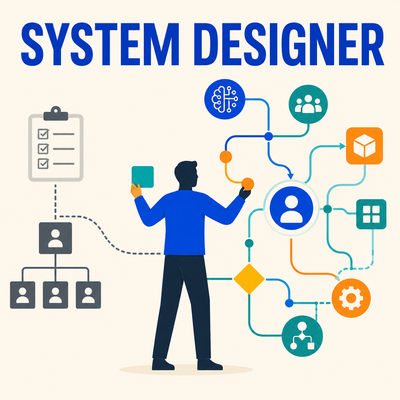
관리자의 핵심 업무가 사람을 감독하는 일에서 성과가 만들어지는 환경을 설계하는 일로 이동하고 있다. AI와 자동화가 실행 업무를 나눠 맡고, 하이브리드 근무와 프로젝트형 협업이 일상화되면서 지시와 점검만으로는 조직을 움직이기 어려워졌다. 앞으로 유능한 관리자는 가장 많은 결정을 내리는 사람이 아니라, 구성원이 더 나은 결정을 내릴 수 있도록 목표·권한·정보·협업의 구조를 설계하는 사람이 될 것이다.
[Key Message]
* 관리자의 역할은 구성원의 성과를 감독하는 데서 성과가 지속적으로 만들어지는 업무 시스템을 설계하는 방향으로 이동하고 있다.
* 반복되는 성과 부진은 개인의 역량보다 불분명한 권한, 정보의 단절, 복잡한 승인 절차와 같은 구조적 문제에서 비롯될 수 있다.
* 좋은 관리자는 모든 문제를 직접 해결하는 사람이 아니라, 구성원이 스스로 판단하고 협업할 수 있도록 목표·권한·책임의 기준을 명확하게 만드는 사람이다.
* AI 시대의 관리자는 사람과 AI의 역할을 구분하고, 품질 기준과 검토 절차를 설계하며, 기술이 실질적인 가치로 이어지도록 조율해야 한다.
* 미래의 관리자 성과는 개인 실적의 합계보다 의사결정 속도, 재작업 감소, 협업의 질, 구성원의 성장과 시스템의 지속 가능성으로 평가될 것이다.
***
성과관리 중심의 관리자 모델이 흔들린다
오랫동안 관리자의 역할은 명확했다. 위에서 정해진 목표를 팀원에게 배분하고, 업무 진행 상황을 점검하며, 결과를 평가하는 일이었다. 조직은 위계적으로 움직였고 정보는 직급을 따라 흘렀다. 관리자는 상부의 지시를 해석해 아래로 전달하고, 현장의 성과를 취합해 위로 보고하는 연결자였다. 많은 회의와 보고서, 결재 절차가 이러한 관리 방식을 중심으로 만들어졌다.
이 모델은 업무의 내용과 경로가 비교적 안정적일 때 효과적이었다. 무엇을 생산하고, 누가 어떤 일을 하며, 성과를 어떤 기준으로 판단할지가 명확했기 때문이다. 관리자는 정해진 절차에서 벗어난 행동을 바로잡고, 목표에 미달한 구성원을 독려하며, 계획과 실적 사이의 차이를 줄이면 됐다.
그러나 지금의 업무는 그렇게 단순하지 않다. 고객의 요구는 빠르게 달라지고, 하나의 과제에 여러 부서와 외부 전문가가 참여한다. 어제까지 유효했던 업무 방식이 오늘은 비효율이 되기도 한다. 정규 조직보다 프로젝트와 태스크포스가 중요해졌고, 사무실과 원격 공간을 오가는 하이브리드 근무도 보편적인 운영 방식으로 자리 잡았다. 관리자가 모든 업무 과정을 직접 관찰하고 통제한다는 전제부터 흔들리고 있다.
AI의 확산은 이러한 변화를 더욱 빠르게 만들었다. 문서 작성, 데이터 정리, 시장 조사, 일정 관리, 고객 문의 처리처럼 관리자가 확인하고 조정하던 업무의 일부를 AI가 수행하기 시작했다. 마이크로소프트의 2026년 조사에서는 AI 활용이 앞선 조직의 구성원일수록 관리자가 AI 품질 기준을 명확히 설정하고, 실험할 공간을 제공하며, 업무 재설계를 적극적으로 장려한다고 답했다. 관리자의 가치가 AI 사용 여부를 감시하는 데 있지 않고 AI를 포함한 새로운 업무 방식을 설계하는 데 있다는 의미다.
성과관리자의 위기는 관리자가 필요 없어졌다는 뜻이 아니다. 오히려 관리가 더 어려워졌다는 뜻에 가깝다. 과거에는 사람에게 일을 시키고 결과를 확인하면 됐지만, 이제는 사람과 AI가 어떻게 역할을 나눌지, 여러 부서가 어떤 기준으로 협업할지, 빠른 실행과 위험 통제 사이에서 어느 수준까지 자율성을 허용할지를 함께 결정해야 한다.
관리자가 여전히 일일이 지시하고 승인하려 한다면 조직의 속도는 관리자의 처리 능력을 넘지 못한다. 팀원의 숫자가 늘어날수록 보고와 결재가 쌓이고, 관리자는 바빠지지만 팀의 판단력은 약해진다. 열심히 관리할수록 조직이 관리자에게 더 의존하는 역설이 발생한다. 지금 흔들리는 것은 관리자라는 직책이 아니라, 통제와 점검을 관리의 본질로 여겼던 오래된 역할 모델이다.
관리의 대상이 사람에서 업무 시스템으로 이동한다
성과가 낮을 때 조직은 흔히 사람부터 바라본다. 담당자의 역량이 부족했는지, 책임감이 약했는지, 목표 의식이 분명했는지를 묻는다. 그러나 같은 문제가 여러 사람에게 반복된다면 개인보다 시스템을 살펴야 한다. 목표가 모호하거나, 의사결정 권한이 불분명하거나, 필요한 정보가 늦게 전달되거나, 부서 간 이해관계가 충돌하는 구조에서는 유능한 사람도 좋은 성과를 내기 어렵다.
시스템 디자이너로서의 관리자는 구성원을 통제하기 전에 업무가 흐르는 방식을 관찰한다. 업무가 어디에서 시작되고, 누구를 거쳐, 어떤 기준으로 완료되는지 확인한다. 의사결정이 지연되는 지점, 같은 자료를 반복해서 만드는 과정, 아무도 책임지지 않는 경계 업무, 특정 인물에게만 정보가 집중되는 현상을 찾아낸다.
예를 들어 고객 불만 처리가 늦어졌다고 가정해 보자. 성과관리자는 담당자의 처리 건수를 확인하고 응답 속도를 독려할 가능성이 크다. 시스템 디자이너는 다른 질문을 던진다. 담당자가 고객의 요구를 해결할 권한을 갖고 있는가. 다른 부서에 협조를 요청했을 때 정해진 응답 시간이 있는가. 반복되는 문제를 자동으로 분류할 수 있는가. 과거의 해결 사례가 검색 가능한 형태로 축적돼 있는가. 담당자의 태도보다 처리 속도를 늦추는 구조를 먼저 찾는 것이다.
이러한 접근은 개인의 책임을 없애지 않는다. 오히려 책임을 더 분명하게 만든다. 모호한 지시를 내려놓고 결과만 평가하는 조직에서는 실패의 책임을 둘러싼 갈등이 반복된다. 반면 역할과 권한, 판단 기준, 협업 규칙이 명확한 시스템에서는 누가 무엇을 결정해야 하는지가 드러난다. 책임은 압박의 언어가 아니라 설계의 결과가 된다.
좋은 시스템은 규정을 많이 만드는 시스템이 아니다. 불확실성이 낮고 되돌리기 쉬운 업무는 구성원이 빠르게 결정하도록 하고, 위험이 크거나 되돌리기 어려운 결정만 상위 단계에서 검토해야 한다. 모든 일을 관리자가 승인하면 안전해 보이지만, 실제로는 정보가 가장 부족한 사람에게 결정이 집중될 수 있다. 현장에 가까운 사람이 판단하되 조직 전체에 영향을 미치는 위험은 공통 기준으로 통제하는 것이 중요하다.
관리자의 질문도 달라져야 한다. “왜 목표를 달성하지 못했는가”에서 “목표 달성을 방해한 구조는 무엇인가”로, “누가 실수했는가”에서 “같은 실수가 반복되지 않도록 무엇을 바꿀 것인가”로 이동해야 한다. 사람을 압박하면 일시적으로 속도가 올라갈 수 있지만, 시스템을 개선하면 다음 업무의 속도와 품질까지 함께 높아진다.
목표보다 중요한 것은 성과가 만들어지는 과정이다
많은 조직이 목표를 정교하게 세우는 데 상당한 시간을 쓴다. 매출, 수익, 고객 수, 생산량, 프로젝트 완료율 같은 수치를 정하고 이를 부서와 개인에게 나눈다. 하지만 목표가 분명하다고 해서 실행 방식까지 분명해지는 것은 아니다. 같은 목표를 받은 구성원들이 서로 다른 우선순위로 움직이거나, 부서마다 성과 기준을 다르게 해석하면 목표는 협력을 촉진하기보다 충돌을 키운다.
시스템 디자이너는 목표와 함께 운영 원칙을 설계한다. 무엇을 가장 먼저 처리할지, 문제가 발생하면 누구에게 알릴지, 어느 범위까지 현장에서 결정할지, 어떤 정보가 모든 구성원에게 공개돼야 하는지를 정한다. 성과를 요구하기 전에 성과가 만들어질 수 있는 경로를 마련한다.
이때 필요한 것이 ‘업무의 가시성’이다. 가시성은 관리자가 모든 팀원의 행동을 들여다보는 감시가 아니다. 공동의 목표와 진행 상황, 주요 장애물, 책임자가 누구인지를 구성원 모두가 확인할 수 있게 만드는 것이다. 업무가 보이면 관리자의 개입이 줄어든다. 팀원은 다른 사람의 진행 상황을 확인하고 스스로 협업 시점을 판단할 수 있다. 문제가 생겼을 때도 보고를 기다리지 않고 필요한 지원을 요청할 수 있다.
회의 역시 성과 시스템의 일부로 다뤄야 한다. 목적이 불분명한 정례회의는 정보를 공유하는 척하면서 구성원의 집중 시간을 빼앗는다. 전달만 필요한 내용은 문서나 협업 도구로 공유하고, 회의는 의견 충돌을 조정하거나 결정을 내려야 할 때 열어야 한다. 회의가 끝났다면 결정 사항, 담당자, 완료 시점이 남아야 한다. 아무것도 결정되지 않은 회의는 소통이 아니라 업무의 지연이다.
피드백의 리듬도 중요하다. 연말 평가에서 한꺼번에 문제를 지적하는 방식은 행동을 바꾸기에 너무 늦다. 그렇다고 관리자가 매 순간 업무에 개입하면 마이크로매니지먼트가 된다. 짧고 규칙적인 점검을 통해 목표와 실제 상황의 차이를 확인하되, 해결 방법까지 대신 결정하지 않는 균형이 필요하다. 관리자는 답을 주는 사람보다 팀이 올바른 질문을 놓치지 않게 하는 사람이 돼야 한다.
성과는 뛰어난 개인 한 명이 만들어낸 영웅적 결과보다 반복 가능한 과정에서 나와야 한다. 특정 직원이 휴가를 가면 업무가 멈추고, 담당자가 바뀔 때마다 품질이 흔들리며, 문제가 생길 때마다 관리자가 직접 해결해야 한다면 성과가 아니라 개인의 희생에 의존하는 조직이다. 시스템 디자이너의 성과는 자신이 얼마나 많은 문제를 해결했는지가 아니라 같은 문제가 얼마나 적게 반복되는지로 측정돼야 한다.
AI 시대의 관리자는 인간과 기술의 역할을 조율한다
AI 도입 초기에는 개인의 생산성을 높이는 데 관심이 집중됐다. 이메일을 빠르게 쓰고, 보고서를 요약하며, 아이디어를 얻는 보조 도구로 활용했다. 그러나 AI가 업무 프로세스 안으로 들어오면 문제는 훨씬 복잡해진다. 누가 AI에 업무를 맡길지, 결과를 누가 검토할지, 오류가 발생했을 때 누가 책임질지, 어떤 데이터까지 사용할 수 있을지를 정해야 하기 때문이다.
AI 시대의 관리자는 기술 전문가가 될 필요는 없지만, 업무를 분해하고 재구성할 수 있어야 한다. 업무 전체를 사람 또는 AI에 통째로 넘기는 것이 아니라 탐색, 초안 작성, 분석, 판단, 승인, 실행으로 나눈 뒤 각각의 특성에 맞는 담당자를 배치해야 한다. 반복적이고 규칙이 분명한 과정은 AI와 자동화에 맡기고, 가치 판단과 예외 처리, 관계 형성, 최종 책임은 사람이 담당하는 방식이다.
여기에서 중요한 것은 속도보다 품질 기준이다. AI가 빠르게 결과를 만들어도 사실 오류, 편향, 개인정보 침해, 저작권 문제를 일으킨다면 생산성이 높아졌다고 보기 어렵다. 관리자는 어떤 업무에 AI를 사용할 수 있는지뿐 아니라 어떤 수준의 결과를 통과로 인정할지 정해야 한다. 사실 확인이 필요한 항목, 사람이 반드시 검토해야 하는 단계, 외부로 공개하기 전 승인 절차를 구체화해야 한다.
마이크로소프트의 2025년 조사에서는 향후 5년 안에 팀이 AI 에이전트를 훈련하거나 관리하고, 복잡한 업무를 처리하는 다중 에이전트 시스템을 구축할 것이라고 예상한 리더들이 적지 않았다. 이러한 전망이 현실화되면 관리자의 팀에는 사람뿐 아니라 여러 디지털 실행 주체가 포함된다. 관리자는 사람에게만 일을 배분하는 것이 아니라 사람과 AI의 능력, 비용, 위험을 비교해 가장 적절한 조합을 만들어야 한다.
AI가 관리 업무를 줄여줄 것이라는 기대도 있지만, 설계가 부족하면 정반대의 결과가 나타날 수 있다. 생성되는 보고서와 메시지가 늘어나고, 검토해야 할 자료가 폭증하며, 비슷한 자동화 도구가 부서마다 중복 도입될 수 있다. AI가 업무를 덜어주는 것이 아니라 더 많은 업무를 만드는 상황이다. 따라서 AI 도입의 기준은 ‘무엇을 새로 할 수 있는가’만이 아니라 ‘무엇을 중단할 수 있는가’가 돼야 한다.
관리자는 AI를 도입할 때 업무량의 변화를 함께 측정해야 한다. 자동화 이전과 이후의 처리 시간, 오류율, 재작업 비율, 고객 만족도, 구성원의 검토 부담을 비교해야 한다. AI를 사용했다는 사실이 성과가 아니라 전체 시스템의 품질과 속도가 개선됐는지가 성과다.
회의·보고·평가도 하나의 시스템으로 재설계한다
관리자는 새로운 전략을 말하면서도 오래된 운영 방식을 유지하는 경우가 많다. 자율성을 강조하면서 모든 결정을 승인받게 하고, 협업을 요구하면서 부서별 목표만 평가하며, 혁신을 주문하면서 실패한 시도를 불이익으로 남긴다. 구성원은 구호보다 시스템에 반응한다. 조직이 실제로 무엇을 중요하게 여기는지는 회의 방식, 보고 절차, 평가 기준에서 드러난다.
회의는 참석자의 직급보다 해결해야 할 문제를 중심으로 구성해야 한다. 모든 사람이 같은 시간에 모일 필요가 있는지, 사전에 공유할 자료는 무엇인지, 회의에서 반드시 결정할 사항은 무엇인지 정해야 한다. 관리자는 발언을 독점하기보다 서로 다른 정보가 드러나게 해야 한다. 관리자의 의견이 가장 먼저 제시되면 구성원은 문제를 탐색하기보다 관리자의 생각에 맞는 답을 찾게 된다.
보고 역시 ‘관리자에게 알리는 행위’에서 ‘조직의 판단을 돕는 정보’로 바뀌어야 한다. 같은 내용을 여러 양식으로 반복 작성하거나, 이미 시스템에 입력된 수치를 보고서로 다시 옮기는 과정은 줄여야 한다. 정기적으로 확인해야 할 수치는 자동화된 대시보드로 공유하고, 보고서는 숫자 자체보다 변화의 원인, 예상되는 위험, 필요한 결정을 담는 데 집중해야 한다.
평가 제도는 개인 성과와 시스템 기여를 함께 봐야 한다. 자신의 목표를 달성하기 위해 정보를 독점하거나 다른 부서에 비용을 떠넘긴 사람이 높은 평가를 받는다면 협업은 작동하지 않는다. 반대로 업무 절차를 개선하고, 동료의 성장을 돕고, 반복되는 문제를 줄인 사람의 기여가 보이지 않는다면 조직은 계속 개인 경쟁에 머물게 된다.
특히 AI 시대에는 ‘얼마나 많이 생산했는가’보다 ‘어떤 가치를 만들었는가’를 구분해야 한다. AI를 사용하면 문서와 콘텐츠, 분석 자료의 양은 쉽게 늘어난다. 산출물의 개수가 성과 지표로 남아 있다면 조직은 가치가 낮은 결과물을 대량으로 생산하게 된다. 평가 기준은 산출량에서 고객에게 미친 효과, 의사결정의 개선, 문제 해결 속도, 재작업 감소로 이동해야 한다.
관리자의 평가 방식도 달라져야 한다. 팀원에게 목표를 부여하고 점수를 매기는 것만으로는 부족하다. 목표가 현실에 맞게 조정됐는지, 필요한 자원이 제공됐는지, 협업 과정의 장애물이 제거됐는지도 관리자의 책임으로 봐야 한다. 팀원의 실패를 모두 개인의 문제로 돌리는 관리자는 성과평가자는 될 수 있어도 시스템 디자이너가 되기는 어렵다.
좋은 관리자는 자신 없이도 움직이는 팀을 만든다
관리자가 자리를 비울 때 모든 일이 멈추는 팀은 관리가 잘된 팀처럼 보일 수 있다. 모든 정보와 결정이 관리자에게 집중돼 있기 때문이다. 그러나 이는 강한 리더십이 아니라 취약한 구조다. 관리자의 판단이 늦어지거나 자리를 옮기는 순간 조직 전체의 속도와 품질이 떨어진다.
좋은 관리자는 자신의 영향력을 줄이는 사람이 아니다. 영향력이 작동하는 방식을 바꾸는 사람이다. 직접 지시하는 대신 판단 기준을 공유하고, 문제를 대신 해결하는 대신 해결 역량을 키우며, 정보를 독점하는 대신 필요한 사람이 필요한 시점에 접근할 수 있도록 만든다. 관리자의 지식과 경험이 개인의 머릿속에 머무르지 않고 조직의 운영 방식에 남게 한다.
이를 위해서는 세 가지 기반이 필요하다. 첫째는 방향의 명확성이다. 구성원은 팀이 무엇을 위해 존재하며 어떤 고객 문제를 우선 해결해야 하는지 알아야 한다. 둘째는 권한의 명확성이다. 누가 무엇을 결정할 수 있고 어떤 경우에 상위 단계의 승인이 필요한지 분명해야 한다. 셋째는 학습의 지속성이다. 성공과 실패의 원인을 기록하고 다음 업무에 반영하는 짧은 회고가 반복돼야 한다.
관리자는 팀의 모든 문제를 해결하는 ‘최고 해결사’라는 유혹에서 벗어나야 한다. 관리자가 답을 빨리 주면 당장은 효율적으로 보이지만 구성원은 스스로 판단할 기회를 잃는다. 비슷한 문제가 발생할 때마다 다시 관리자를 찾게 된다. 관리자는 “내가 어떻게 처리할까”보다 “다음부터는 이 문제가 누구에게도 의존하지 않고 해결되려면 무엇이 필요한가”를 물어야 한다.
이러한 변화가 확산되면 앞으로 관리자의 역할에는 다음과 같은 다섯 가지 변화가 나타날 가능성이 크다.
첫째, 관리자 평가는 개인 실적 취합에서 시스템 성과 측정으로 이동할 것이다. 팀원의 목표 달성률만이 아니라 의사결정 속도, 재작업률, 협업 지연, 구성원의 성장, 고객 문제 해결 시간 등이 관리자의 핵심 지표가 될 것이다. 성과가 좋을 때는 팀원의 공로로 돌리고, 문제가 반복될 때는 구조를 개선하는 관리자가 더 높은 평가를 받게 된다.
둘째, 조직도보다 업무 흐름을 관리하는 역할이 중요해질 것이다. 프로젝트마다 필요한 사람이 빠르게 연결되고 역할이 바뀌면서 고정된 부서의 경계는 약해질 것이다. 관리자는 소속 인원을 통제하기보다 여러 부서와 외부 파트너, AI 에이전트가 함께 움직이는 업무망을 설계하게 된다.
셋째, AI 에이전트 관리가 공식적인 관리자 역량으로 편입될 것이다. 업무 지시 작성, 결과 검증, 데이터 접근 권한, 오류 대응, 인간의 최종 승인 기준을 다루는 능력이 리더십 교육에 포함될 가능성이 높다. AI 활용 역량은 개인의 도구 숙련도를 넘어 팀 운영 능력으로 평가될 것이다.
넷째, 정기 평가보다 상시적인 업무 재설계가 강화될 것이다. 연초에 목표를 세우고 연말에 평가하는 긴 주기만으로는 시장과 기술의 변화를 따라가기 어렵다. 짧은 단위로 목표와 역할, 업무 흐름을 조정하는 운영 리듬이 확산되고, 관리자는 평가 면담보다 설계와 회고에 더 많은 시간을 쓰게 될 것이다.
다섯째, 중간관리자의 숫자보다 역할의 질이 더 중요한 문제가 될 것이다. 단순 전달과 취합 업무는 자동화되거나 축소될 수 있다. 반면 전략을 현장의 언어로 바꾸고, 부서 간 충돌을 조정하며, 구성원의 판단력을 높이는 관리자의 가치는 커질 것이다. 중간관리자가 사라지는 것이 아니라 행정적 관리자는 줄고 조직 설계자는 강화되는 방향이다.
세계경제포럼은 2030년까지 근로자가 보유한 핵심 역량의 약 39%가 달라질 것으로 전망했다. 기술 역량과 함께 분석적 사고, 회복탄력성, 리더십, 협업 같은 인간 역량도 계속 중요할 것으로 예상했다. 이는 관리자가 현재의 역량을 평가하는 사람에 머물러서는 안 된다는 뜻이다. 미래에 필요한 역량을 예측하고 구성원이 실제 업무를 통해 이를 학습할 수 있도록 역할과 경험을 설계해야 한다.
관리자의 권위도 직급이나 정보 독점이 아니라 시스템의 신뢰성에서 나올 것이다. 목표가 선명하고, 의사결정 기준이 일관되며, 실패를 통해 운영 방식이 개선되는 조직에서는 구성원이 관리자의 의도를 추측하느라 에너지를 쓰지 않는다. 어디까지 자율적으로 판단할 수 있는지 알고, 도움이 필요할 때 누구에게 요청해야 하는지도 안다.
성과관리자는 현재의 숫자를 확인한다. 시스템 디자이너는 다음 성과가 만들어질 조건을 구축한다. 성과관리자는 사람을 움직이려 하지만 시스템 디자이너는 일이 제대로 흐르게 만든다. 관리자의 미래는 더 강하게 통제하는 데 있지 않다. 사람과 기술, 목표와 권한, 자율과 책임이 서로 충돌하지 않도록 연결하는 데 있다. 관리자가 없어도 일은 움직이고, 관리자가 있을 때 조직은 더 나은 방식으로 진화한다. 그것이 새롭게 요구되는 관리의 기준이다.
Reference
Microsoft WorkLab, May 2026, Microsoft Work Trend Index Research Team, Agents, Human Agency, and the Opportunity for Every Organization
Microsoft WorkLab, April 2025, Microsoft Work Trend Index Research Team, 2025: The Year the Frontier Firm Is Born
World Economic Forum, January 2025, World Economic Forum, The Future of Jobs Report 2025
Gallup, April 2026, Gallup, State of the Global Workplace: 2026 Report
McKinsey & Company, February 2025, Asmus Komm, Fernanda Mayol, Neel Gandhi, Sandra Durth, and Jasmin Kiefer, A New Operating Model for People Management: More Personal, More Tech, More Human
The Changing Role of Managers
- From Performance Manager to System Designer
The core responsibility of managers is shifting from supervising people to designing an environment in which performance can be produced. As AI and automation take on parts of execution, and as hybrid work and project-based collaboration become commonplace, it is becoming increasingly difficult to move an organization forward through instructions and monitoring alone. In the future, capable managers will not be those who make the most decisions, but those who design goals, authority, information flows, and collaboration structures so that employees can make better decisions themselves.
[Key Message]
* The role of managers is shifting from supervising employee performance to designing work systems that produce sustainable results.
* Recurring performance problems may arise less from individual capability and more from structural issues such as unclear authority, fragmented information, and complex approval procedures.
* Good managers do not solve every problem themselves; they establish clear goals, authority, and accountability so that employees can make decisions and collaborate independently.
* In the AI era, managers must define the respective roles of people and AI, establish quality standards and review procedures, and ensure that technology creates meaningful value.
* Future managerial performance will be evaluated less by the sum of individual results and more by decision-making speed, reduced rework, collaboration quality, employee development, and system sustainability.
***
The Performance Management Model Is Losing Its Ground
For a long time, the role of managers was clear. They assigned goals set by senior leadership to team members, monitored work progress, and evaluated results. Organizations operated hierarchically, and information flowed according to rank. Managers served as intermediaries who interpreted instructions from above and passed them downward while collecting performance results from the field and reporting them upward. Numerous meetings, reports, and approval procedures were created around this management model.
This model was effective when the nature and path of work were relatively stable. It was clear what had to be produced, who was responsible for each task, and which criteria would be used to assess performance. Managers only had to correct deviations from established procedures, encourage employees who fell short of their goals, and narrow the gap between plans and actual results.
Work today, however, is no longer that simple. Customer demands change rapidly, while multiple departments and external experts participate in a single assignment. A work method that was effective yesterday may become inefficient today. Projects and task forces have become more important than formal organizational structures, while hybrid work across offices and remote locations has become a standard operating model. The very assumption that managers can directly observe and control every work process is beginning to collapse.
The spread of AI has accelerated this change. AI has begun to perform some of the tasks that managers previously reviewed and coordinated, including document preparation, data organization, market research, scheduling, and customer inquiry handling. According to Microsoft’s 2026 survey, employees in organizations with advanced AI adoption were more likely to report that their managers established clear quality standards for AI, created room for experimentation, and actively encouraged work redesign. This indicates that the value of managers lies not in monitoring whether employees use AI, but in designing new ways of working that incorporate AI.
The crisis facing performance managers does not mean that managers are no longer necessary. It means that management itself has become more difficult. In the past, it was enough to assign work to people and check the results. Today, managers must also determine how people and AI should divide responsibilities, what standards different departments should use when collaborating, and how much autonomy should be granted to balance rapid execution with risk control.
If managers continue trying to issue instructions and approve every decision, the organization cannot move faster than the manager’s own processing capacity. As the number of team members increases, reports and approval requests accumulate. Managers become busier, while the team’s ability to make decisions weakens. A paradox emerges in which more intensive management makes the organization increasingly dependent on the manager. What is being shaken is not the managerial position itself, but the outdated model that regards control and monitoring as the essence of management.
The Focus of Management Is Moving from People to Work Systems
When performance is poor, organizations often look first at the people involved. They ask whether the employee lacked competence, had a weak sense of responsibility, or failed to understand the goal clearly. However, when the same problem is repeated by different people, the system must be examined before the individual. Even capable employees struggle to produce strong results in a structure where goals are ambiguous, decision-making authority is unclear, necessary information arrives late, or departmental interests conflict.
A manager acting as a system designer observes how work flows before attempting to control employees. The manager identifies where work begins, who handles it at each stage, and which standards determine its completion. The manager looks for delayed decision points, processes in which the same materials are repeatedly produced, work at organizational boundaries for which no one takes responsibility, and situations where information is concentrated in the hands of a particular individual.
Suppose, for example, that customer complaints are being handled too slowly. A performance manager is likely to examine the number of cases processed by each employee and demand faster responses. A system designer asks different questions. Does the employee have the authority to resolve the customer’s request? Is there a defined response time when cooperation is requested from another department? Can recurring problems be classified automatically? Are previous solutions stored in a searchable format? The system designer looks first for structural factors that delay processing rather than questioning the employee’s attitude.
This approach does not eliminate individual responsibility. It makes responsibility clearer. In an organization that issues vague instructions and evaluates only the results, disputes over who is responsible for failure will repeatedly occur. In a system where roles, authority, decision criteria, and collaboration rules are clear, it becomes evident who should make each decision. Responsibility becomes the result of design rather than the language of pressure.
A good system is not one with a large number of rules. Decisions involving low uncertainty and easily reversible consequences should be made quickly by employees, while only decisions involving significant risks or consequences that are difficult to reverse should be reviewed at a higher level. Requiring managers to approve everything may appear safe, but it can concentrate decisions in the hands of the person with the least direct information. People closest to the work should make judgments, while risks affecting the entire organization should be controlled through shared standards.
The questions managers ask must also change. “Why did you fail to meet the goal?” should become “What structural factor prevented the goal from being achieved?” “Who made the mistake?” should become “What should we change to prevent the same mistake from recurring?” Pressuring people may temporarily increase speed, but improving the system can enhance the speed and quality of future work as well.
The Process That Produces Performance Matters More Than the Goal
Many organizations spend considerable time creating sophisticated goals. They establish figures for sales, profits, customer numbers, production volume, and project completion rates, and distribute them among departments and individuals. However, clear goals do not automatically produce clear execution methods. If employees who receive the same goal operate according to different priorities, or if departments interpret performance criteria differently, goals can intensify conflict rather than promote cooperation.
System designers establish operating principles alongside goals. They determine which tasks should be handled first, who should be notified when a problem occurs, how much can be decided in the field, and what information should be available to every employee. Before demanding performance, they create a path through which performance can be produced.
This requires visibility into work. Visibility does not mean surveillance that allows managers to observe every action taken by team members. It means enabling everyone to see the shared goal, current progress, major obstacles, and the person responsible for each task. When work is visible, less managerial intervention is necessary. Team members can review one another’s progress and determine for themselves when collaboration is needed. When a problem arises, they can request the necessary support without waiting to submit a report.
Meetings must also be treated as part of the performance system. Routine meetings with unclear purposes consume employees’ concentration time while pretending to facilitate information sharing. Information that only needs to be communicated should be shared through documents or collaboration tools. Meetings should be held when conflicting opinions must be reconciled or decisions must be made. When a meeting ends, it should leave behind a record of the decisions, responsible individuals, and deadlines. A meeting that produces no decision is not communication but a delay in work.
The rhythm of feedback is equally important. Waiting until the annual performance review to address problems is too late to change behavior. Yet if managers intervene at every moment, management becomes micromanagement. Managers need a balance in which short, regular check-ins are used to identify gaps between goals and actual conditions without deciding every solution on behalf of employees. Rather than providing all the answers, managers should ensure that the team does not overlook the right questions.
Performance should come from a repeatable process rather than the heroic achievement of a single outstanding individual. If work stops whenever a particular employee goes on vacation, quality fluctuates every time responsibilities are reassigned, and the manager must personally resolve every problem, the organization is not sustained by performance but by individual sacrifice. The performance of system designers should be measured not by how many problems they personally solve, but by how infrequently the same problems recur.
Managers in the AI Era Coordinate the Roles of Humans and Technology
During the early stages of AI adoption, attention focused primarily on improving individual productivity. AI was used as an assistant to write emails faster, summarize reports, and generate ideas. Once AI enters the work process itself, however, the challenge becomes much more complex. Organizations must determine who assigns work to AI, who reviews the output, who is responsible when errors occur, and what data AI is permitted to use.
Managers in the AI era do not need to become technology experts, but they must be able to break work down and reconstruct it. Instead of assigning an entire task solely to either a person or AI, managers should divide it into exploration, drafting, analysis, judgment, approval, and execution, and then assign each stage to the most appropriate party. Repetitive and clearly defined processes can be given to AI and automation, while value judgments, exception handling, relationship building, and final accountability remain with people.
Quality standards matter more than speed in this process. Even if AI produces results quickly, productivity has not truly improved if those results contain factual errors or cause bias, privacy violations, or copyright problems. Managers must determine not only which tasks can use AI, but also what level of quality will be considered acceptable. They should specify what must be fact-checked, which stages require mandatory human review, and what approval procedures must be completed before materials are released externally.
Microsoft’s 2025 survey found that a significant number of leaders expected their teams to train or manage AI agents and build multi-agent systems capable of handling complex tasks within five years. If this forecast becomes reality, managerial teams will include not only people but also multiple digital agents. Managers will no longer assign work only to humans. They will compare the capabilities, costs, and risks of people and AI to create the most appropriate combination.
There is also an expectation that AI will reduce the burden of management, but without adequate design, the opposite can occur. The number of reports and messages may increase, the volume of materials requiring review may surge, and different departments may introduce overlapping automation tools. In such cases, AI creates more work instead of reducing it. The standard for AI adoption should therefore consider not only “What can we do now?” but also “What can we stop doing?”
Managers must measure changes in workload when introducing AI. They should compare processing time, error rates, rework rates, customer satisfaction, and employees’ review burden before and after automation. Using AI is not itself a performance outcome. Performance is achieved when the quality and speed of the overall system improve.
Meetings, Reports, and Evaluations Must Also Be Redesigned as a System
Managers often talk about new strategies while retaining outdated operating methods. They emphasize autonomy while requiring approval for every decision, demand collaboration while evaluating only departmental goals, and call for innovation while penalizing unsuccessful experiments. Employees respond to systems rather than slogans. What an organization genuinely values is revealed through its meeting practices, reporting procedures, and evaluation criteria.
Meetings should be organized around the problem that needs to be solved rather than the rank of the participants. Managers should determine whether everyone truly needs to gather at the same time, what materials should be shared in advance, and what decisions must be reached during the meeting. Instead of dominating the discussion, managers should create conditions in which different information and viewpoints can surface. If the manager’s opinion is presented first, employees are likely to search for answers that match it rather than explore the problem openly.
Reporting must also shift from “informing the manager” to “providing information that supports organizational judgment.” Organizations should reduce processes that require the same content to be rewritten in multiple formats or figures already entered into a system to be copied into another report. Metrics that need to be monitored regularly should be shared through automated dashboards. Reports should focus less on the numbers themselves and more on the causes of change, anticipated risks, and decisions that need to be made.
Evaluation systems should consider both individual performance and contributions to the system. Collaboration cannot function if employees receive high evaluations for achieving their own goals by withholding information or transferring costs to other departments. Conversely, if contributions such as improving work procedures, helping colleagues develop, and reducing recurring problems remain invisible, the organization will continue to be trapped in individual competition.
In the AI era, organizations must distinguish between “how much was produced” and “what value was created.” AI makes it easy to increase the quantity of documents, content, and analytical materials. If the number of outputs remains a performance indicator, organizations will mass-produce low-value results. Evaluation standards must move from output volume to customer impact, improved decision-making, faster problem resolution, and reduced rework.
The way managers themselves are evaluated must also change. Assigning goals to team members and giving them scores is not enough. Managerial responsibility should include whether goals were adjusted to reflect reality, whether necessary resources were provided, and whether obstacles in the collaboration process were removed. A manager who attributes every team failure to individual employees may serve as a performance evaluator, but cannot become a system designer.
Good Managers Build Teams That Can Operate Without Them
A team in which all work stops when the manager is absent may appear well managed. This is because all information and decisions are concentrated in the manager. However, this is not strong leadership but a fragile structure. The moment the manager’s decision is delayed or the manager moves to another position, the speed and quality of the entire organization decline.
Good managers do not reduce their influence. They change the way their influence operates. Instead of issuing direct instructions, they share decision-making criteria. Instead of resolving problems on behalf of employees, they strengthen employees’ ability to solve them. Instead of monopolizing information, they ensure that the right people can access it at the right time. The manager’s knowledge and experience should not remain solely in one person’s mind but should be embedded in the organization’s operating practices.
Three foundations are required. The first is clarity of direction. Employees need to understand why the team exists and which customer problems it should prioritize. The second is clarity of authority. It must be clear who can make which decisions and under what circumstances higher-level approval is required. The third is continuity of learning. Short reviews that document the causes of successes and failures and apply those lessons to future work must be repeated.
Managers must resist the temptation to become the “chief problem solver” who resolves every issue facing the team. When managers provide answers quickly, the arrangement may initially appear efficient, but employees lose opportunities to make judgments themselves. Whenever a similar problem arises, they return to the manager. Instead of asking, “How should I handle this?” managers should ask, “What do we need so that this problem can be resolved next time without depending on any particular individual?”
As this transformation spreads, five changes are likely to emerge in the role of managers.
First, managerial evaluation will move from compiling individual results to measuring system performance. In addition to team members’ goal attainment rates, decision-making speed, rework rates, collaboration delays, employee development, and customer problem resolution times will become key managerial indicators. Managers who credit team members when performance is strong and improve the structure when problems recur will receive higher evaluations.
Second, managing workflows will become more important than managing organizational charts. As the right people are connected quickly for each project and responsibilities change dynamically, the boundaries of fixed departments will weaken. Managers will design networks of work involving multiple departments, external partners, and AI agents rather than controlling only the employees formally assigned to them.
Third, AI agent management will become a formal managerial competency. The ability to handle task instructions, output verification, data access permissions, error responses, and standards for final human approval is likely to be included in leadership development. AI capability will be evaluated as a team operating competency rather than merely an individual’s proficiency with a tool.
Fourth, continuous work redesign will become more prominent than periodic evaluation. The long cycle of setting goals at the beginning of the year and evaluating them at the end will not be sufficient to keep pace with market and technological change. Operating rhythms that adjust goals, roles, and workflows in shorter cycles will spread, and managers will spend more time on design and review than on performance evaluation interviews.
Fifth, the quality of middle managers’ roles will matter more than the number of middle managers. Simple communication and data compilation tasks may be automated or reduced. At the same time, the value of managers who translate strategy into the language of the field, coordinate conflicts between departments, and improve employees’ judgment will increase. Middle managers will not disappear. Administrative managers will decline, while organizational designers will become more important.
The World Economic Forum has forecast that approximately 39 percent of workers’ core skills will change by 2030. Alongside technological capabilities, human skills such as analytical thinking, resilience, leadership, and collaboration are expected to remain important. This means managers cannot remain people who merely evaluate existing capabilities. They must anticipate the capabilities that will be needed in the future and design roles and experiences that allow employees to develop them through real work.
Managerial authority will also come from the reliability of the system rather than rank or control over information. In an organization where goals are clear, decision-making standards are consistent, and operating methods improve through failure, employees do not waste energy trying to guess the manager’s intentions. They know how far they can exercise independent judgment and whom to ask for assistance when support is needed.
Performance managers examine today’s numbers. System designers build the conditions that will produce the next round of performance. Performance managers try to move people, while system designers make work flow properly. The future of management does not lie in tighter control. It lies in connecting people and technology, goals and authority, and autonomy and accountability so that they do not conflict. Work continues even when the manager is absent, and the organization evolves in better ways when the manager is present. That is the new standard of management.
Reference
Microsoft WorkLab, May 2026, Microsoft Work Trend Index Research Team, Agents, Human Agency, and the Opportunity for Every Organization
Microsoft WorkLab, April 2025, Microsoft Work Trend Index Research Team, 2025: The Year the Frontier Firm Is Born
World Economic Forum, January 2025, World Economic Forum, The Future of Jobs Report 2025
Gallup, April 2026, Gallup, State of the Global Workplace: 2026 Report
McKinsey & Company, February 2025, Asmus Komm, Fernanda Mayol, Neel Gandhi, Sandra Durth, and Jasmin Kiefer, A New Operating Model for People Management: More Personal, More Tech, More Human