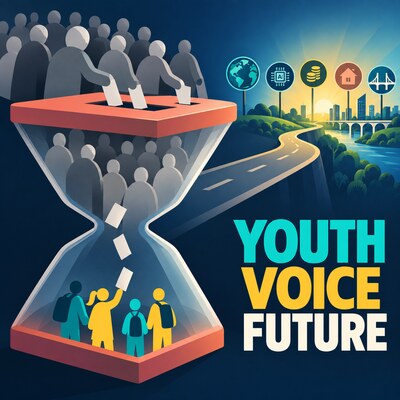
선거는 모든 사람에게 한 표씩을 준다. 그러나 저출산과 고령화로 세대별 유권자 수가 달라지면, 모든 세대가 똑같은 정치적 영향력을 갖는 것은 아니다. 미래를 가장 오래 살아갈 젊은 세대가 줄어들면서 민주주의의 시계도 점점 현재와 과거 쪽으로 기울고 있다.
[Key Message]
* 저출산은 투표함의 세대 구성까지 바꾼다. 출생아 감소는 시간이 흐르면서 청년 유권자 감소로 이어진다. 미래를 가장 오래 살아갈 세대가 정치에서는 가장 작은 집단이 될 수 있다.
* 탈청년화는 젊은 세대의 영향력이 함께 줄어드는 현상이다. 청년 인구가 감소하면 노동력뿐 아니라 경제적·문화적·정치적 비중도 약해질 수 있다. 숫자의 감소가 대표성과 참여의 감소로 이어지는 악순환을 경계해야 한다.
* 민주주의에는 현재와 미래 사이의 시간 불균형이 존재한다. 연금과 의료처럼 효과가 즉시 보이는 정책은 강한 지지를 받지만, 기후·교육·부채·사회기반시설 정책의 성과는 훨씬 늦게 나타난다. 오늘의 유권자가 얻는 편익과 미래 세대가 부담할 비용을 함께 계산해야 한다.
* 저출산 대책에는 미래에 대한 자신감의 회복이 필요하다. 불안정한 일자리와 높은 주거비, 약한 정치적 효능감은 결혼과 출산을 더 위험한 선택으로 만든다. 청년이 자신의 미래를 바꿀 수 있다고 믿는 사회를 만드는 일이 현금 지원만큼 중요하다.
* 필요한 것은 세대 간 대결이 아니라 시간의 균형이다. 청년의 목소리를 강화한다고 고령층의 권리를 줄여서는 안 된다. 현재의 필요와 미래의 책임을 함께 대표할 수 있도록 민주주의의 시간 범위를 넓혀야 한다.
***
투표함 앞에서 작아지는 미래
2050년 어느 나라의 선거일을 떠올려보자. 아침부터 투표소 앞에 긴 줄이 늘어서지만, 줄의 대부분은 50세 이상 유권자다. 20대와 30대 유권자는 눈에 띄게 적다. 선거는 공정하게 진행되고 모든 유권자는 똑같이 한 표를 행사한다. 절차만 보면 아무런 문제가 없다.
그러나 그날 결정된 정책을 가장 오랫동안 감당해야 할 사람은 투표소에서 가장 적은 수를 차지한 젊은 세대다. 새로 건설할 발전소는 앞으로 수십 년 동안 전기를 생산하고, 오늘 발행한 국채는 미래의 세금으로 갚아야 한다. 지금 마련한 인공지능(Artificial Intelligence·AI) 규칙은 다음 세대의 일자리와 사생활에 영향을 주며, 미뤄진 기후변화 대응의 비용도 시간이 흐를수록 커진다.
한 사람에게 한 표가 주어진다는 원칙은 변하지 않는다. 달라지는 것은 세대별 유권자의 숫자다. 젊은 세대가 줄어들면 미래와 관련된 의제가 선거에서 확보할 수 있는 표도 함께 줄어들 수 있다. 앞으로 60년을 살아갈 사람보다 앞으로 10년이나 20년을 살아갈 사람이 훨씬 많은 선거에서 정치는 자연스럽게 현재의 요구에 더 민감해진다.
이것은 고령 유권자가 이기적이거나 청년 유권자가 언제나 장기적인 판단을 내린다는 이야기가 아니다. 나이와 정치 성향을 단순하게 연결할 수도 없다. 문제의 핵심은 인구구조가 바뀌면 민주주의가 반응하는 시간의 범위도 달라질 수 있다는 데 있다. 오늘의 다수와 내일의 다수가 서로 다른 사회에서는 선거의 공정성과 미래의 공정성이 반드시 일치하지 않는다.
저출산은 지금까지 주로 출생아 수와 노동력 부족, 학교 폐교, 연금 고갈의 문제로 다뤄졌다. 하지만 아이가 줄어든다는 것은 20년 뒤의 청년이 줄고, 40년 뒤의 중년 유권자가 줄어든다는 뜻이기도 하다. 인구감소는 공장과 교실의 풍경만 바꾸는 것이 아니라 투표함 안의 세대 구성까지 바꾼다.
출생아 수 너머의 ‘탈청년화’
인구학자 안 구종(Anne Goujon)은 2026년 7월 국제학술지 《Science》에 발표한 에디토리얼 ‘When the Future Loses Its Voice’에서 이러한 변화를 ‘탈청년화(dejuvenation)’라는 개념으로 설명했다. 안 구종은 국제응용시스템분석연구소(International Institute for Applied Systems Analysis·IIASA)의 인구와 정의로운 사회 프로그램 책임자이자 오스트리아과학원 빈인구연구소의 인구자료·전망 연구그룹을 이끌고 있다.
이 글은 새로운 실험이나 통계모형의 결과를 보고한 연구논문이 아니다. 저출산과 고령화를 경제적 부양비의 문제로만 바라보던 시선을 정치적 대표성과 미래에 대한 자신감의 문제로 확장한 에디토리얼이다. 젊은 세대의 수가 감소할 때 노동시장과 연금만 달라지는 것이 아니라 그 세대의 경제적·문화적·정치적 영향력도 함께 약해질 수 있다고 지적했다.
탈청년화는 단순한 고령화와 조금 다르다. 고령화가 전체 인구에서 고령자가 차지하는 비중이 커지는 현상을 가리킨다면, 탈청년화는 젊은 세대가 사회를 움직이는 주체로서 차지하는 자리가 좁아지는 과정에 초점을 맞춘다. 젊은 소비자가 줄고, 청년 노동자의 협상력이 약해지며, 청년 문화가 사회의 중심에서 밀려나고, 선거에서 청년층이 동원할 수 있는 표도 감소하는 현상이 서로 연결된다.
한 도시에서 청년 인구가 줄면 처음에는 산부인과와 어린이집이 사라진다. 시간이 지나면 학교가 통폐합되고 대학의 신입생이 줄어든다. 다시 시간이 흐르면 기업이 젊은 직원을 구하기 어려워지고 지역의 소비시장이 위축된다. 여기까지는 익숙한 인구감소의 이야기다. 그러나 더 오랜 시간이 지나면 선거 후보들도 달라진 유권자 지도를 바라보게 된다. 표가 많은 세대의 요구는 더 빠르게 정책이 되고, 수가 적은 세대의 요구는 비용이 많이 들거나 시급하지 않은 의제로 취급될 가능성이 커진다.
이때 젊은 세대는 숫자만 잃는 것이 아니다. “정치가 우리의 말을 듣지 않는다”는 감각이 커지면 정치 참여의 동기도 약해질 수 있다. 참여가 줄어들면 정치권이 청년층의 요구에 반응해야 할 유인은 더욱 작아진다. 인구적 감소가 정치적 무력감으로 이어지고, 정치적 무력감이 다시 참여 감소를 부르는 순환이 만들어지는 것이다.
1950년의 다수, 2050년의 소수
안 구종이 주목한 대표적인 사례는 이탈리아였다. 1950년 이탈리아에서는 18~49세 인구가 50세 이상 인구보다 훨씬 많았다. 젊은 성인층은 노동시장뿐 아니라 선거에서도 분명한 다수를 형성했다. 그러나 2050년에는 이러한 관계가 뒤집힐 것으로 전망됐다. 과거 선거의 중심이었던 세대가 한 세기 만에 수적 소수로 이동하는 셈이다.
이 변화는 어느 날 갑자기 나타나지 않는다. 출생아 수가 감소한 해의 작은 숫자가 18년 뒤에는 청년 유권자의 숫자가 되고, 30년 뒤에는 노동시장의 중심 세대가 되며, 50년 뒤에는 복지국가를 떠받치는 납세자의 규모가 된다. 인구통계의 한 줄이 시간의 컨베이어벨트를 타고 이동하면서 학교와 기업, 주택시장과 의회를 차례로 바꾼다.
1950년의 이탈리아 정치인이 대규모 청년 유권자를 무시하기는 어려웠다. 일자리와 주택, 교육과 가족정책은 선거의 핵심 의제가 될 수밖에 없었다. 2050년의 후보는 전혀 다른 계산을 하게 된다. 연금과 의료, 돌봄처럼 고령 유권자의 생활과 직결된 의제는 훨씬 강한 정치적 압력을 받는다. 반면 교육 개혁이나 청년 주거, 장기 기후투자처럼 혜택이 늦게 나타나는 정책은 당장의 표로 보상받기 어려울 수 있다.
민주주의는 원래 숫자에 반응하는 제도다. 더 많은 사람이 원하는 정책이 선택되는 것은 자연스럽다. 그러나 인구구조가 한쪽으로 크게 기울면 다수결이 다루기 어려운 문제가 생긴다. 정책의 비용을 결정하는 사람과 그 비용을 가장 오래 부담할 사람이 달라지기 때문이다.
예를 들어 정부가 재정 부담을 피하기 위해 노후한 교량의 교체를 20년 뒤로 미룬다고 생각해보자. 현재의 유권자는 세금 인상을 피할 수 있지만, 미래의 유권자는 더 큰 보수비용과 안전 위험을 떠안는다. 탄소배출 감축을 늦추면 오늘의 에너지 비용은 낮아질 수 있지만, 젊은 세대는 더 심각한 기후위기 속에서 살아가야 한다. 오늘의 편익은 투표권을 가진 사람이 누리고, 내일의 비용은 아직 투표하지 못하거나 태어나지 않은 사람이 부담하는 구조다.
당장 받는 연금과 30년 뒤의 기후
정치인은 다음 선거에서 평가받는다. 유권자도 자신의 삶과 가까운 문제에 더 민감하게 반응한다. 이러한 구조에서는 효과가 즉시 나타나는 정책이 유리하고, 비용은 지금 발생하지만 혜택은 먼 미래에 나타나는 정책이 불리해진다.
연금 인상은 수혜자가 분명하고 효과도 빠르다. 의료서비스 확대와 돌봄 지원 역시 현재 유권자의 생활을 직접 개선한다. 반면 기후변화 대응, 국가부채 축소, 학교 개혁, 기초과학 투자와 사회기반시설 교체는 성과가 나타나기까지 오랜 시간이 걸린다. 장기정책은 선거에서 설명하기 어렵고, 단기적인 비용은 눈에 잘 보인다.
AI 정책도 같은 시간의 문제를 안고 있다. 기업의 기술개발을 빠르게 허용하면 단기적으로 투자와 생산성이 높아질 수 있다. 그러나 자동화로 사라질 직업, 알고리즘에 축적되는 개인정보, 잘못된 의사결정의 책임은 앞으로 노동시장에 오래 남을 청년층이 더 길게 감당한다. 지금의 규제가 느슨할수록 미래 세대가 되돌려야 할 기술적·제도적 비용은 커질 수 있다.
주택정책도 세대별 시간표가 충돌하는 대표적인 영역이다. 기존 주택가격을 유지하는 정책은 이미 집을 가진 유권자에게 유리하지만, 처음 시장에 진입하는 청년에게는 높은 문턱이 된다. 개발을 제한하면 현재 거주자는 환경과 자산가치를 보호할 수 있지만, 신규 주택 공급이 줄어들면서 다음 세대는 더 비싼 임대료를 부담할 수 있다.
이러한 갈등을 노인과 청년의 싸움으로 묘사하면 문제를 놓치게 된다. 많은 부모와 조부모는 자녀와 손주의 미래를 걱정하며 장기정책을 지지한다. 청년층도 언제나 미래만 바라보는 것은 아니다. 불안정한 고용과 높은 생활비에 시달릴수록 당장의 현금 지원과 일자리가 더 절실하다. 진짜 충돌은 나이 자체가 아니라 정책의 시간표 사이에서 발생한다. 즉시 보이는 혜택과 수십 년 뒤에 돌아올 혜택, 현재의 비용과 미래의 비용이 경쟁한다. 유권자 구성이 고령화할수록 정치가 미래를 할인하는 비율이 지나치게 높아지지 않는지 살펴야 한다.
집도 직장도 미래도 보이지 않는 세대
탈청년화는 유권자 수의 문제에서 끝나지 않는다. 젊은 세대가 자신의 미래를 설계할 수 있다는 자신감을 잃을 때 인구감소와 정치적 대표성의 약화가 서로를 밀어내는 악순환이 시작된다.
안정적인 일자리를 구하기 어렵고, 집값과 임대료가 소득보다 빠르게 오르며, 기후재난은 갈수록 잦아진다. 부모 세대가 밟았던 취업·결혼·주택 마련의 경로는 더 이상 같은 방식으로 작동하지 않는다. 열심히 일하면 조금씩 나아질 것이라는 약속도 희미해진다. 청년에게 미래는 기대할 시간이 아니라 견뎌야 할 위험처럼 보이기 시작한다.
이러한 불확실성은 개인의 선택을 바꾼다. 독립을 미루고, 결혼과 출산을 늦추며, 장기간 한 조직에서 경력을 쌓는 대신 단기적인 기회를 따라 이동한다. 사회가 자신에게 장기적인 자리를 마련해주지 않는다고 느끼면 사회를 위해 장기적인 책임을 지려는 의지도 약해질 수 있다.
정치 참여도 영향을 받는다. 아무리 투표해도 주거비와 고용 불안이 달라지지 않고, 정치권이 더 많은 표를 가진 세대에 집중한다고 느끼면 한 표의 효능감은 낮아진다. 청년 투표율과 정당 참여가 줄어들면 정책에서 청년 의제가 차지하는 비중도 더 작아진다. 줄어든 인구가 약한 대표성을 만들고, 약한 대표성이 다시 청년이 머물기 어려운 사회를 만드는 구조다.
저출산 대책이 출산장려금만으로 충분하지 않은 이유도 여기에 있다. 아이를 낳는 결정은 한 번의 현금 지원보다 앞으로의 주거와 일자리, 돌봄, 교육, 환경을 신뢰할 수 있는지에 더 깊이 연결돼 있다. 미래가 나아질 것이라는 믿음이 없다면 출산은 개인에게 더 큰 위험으로 느껴진다. 출산율을 높이려는 사회는 “왜 아이를 낳지 않는가”만 물어서는 안 된다. “젊은 세대가 이 사회에서 자신의 미래를 만들 수 있다고 믿는가”도 물어야 한다. 출산의 감소는 미래에 대한 불신이 숫자로 나타난 결과일 수 있다.
태어나지 않은 사람에게는 투표권이 없다
민주주의에는 오래된 약점이 있다. 아직 태어나지 않은 사람은 현재의 선거에 참여할 수 없다는 점이다. 2070년에 살아갈 시민은 오늘의 탄소배출과 국가부채, AI 규칙과 도시계획에 아무런 표를 던질 수 없다. 하지만 현재의 결정은 그들의 선택 범위를 미리 좁혀놓는다.
댐이나 공항, 원자력발전소와 같은 시설은 수십 년 동안 운영된다. 도시 외곽에 건설한 도로는 주거와 통근의 형태를 오랫동안 고정한다. 교육예산 삭감은 당장 눈에 띄지 않지만 한 세대의 역량에 흔적을 남긴다. 정부가 쌓은 빚은 미래의 세금이 되고, 훼손된 생태계는 다음 세대가 복원해야 할 비용이 된다.
과거에는 젊은 유권자가 많다는 사실이 미래의 이해를 어느 정도 정치 안으로 끌어오는 역할을 했다. 젊은 사람은 현재 유권자이면서 동시에 장기정책의 결과를 오래 경험할 사람이기 때문이다. 그러나 청년층의 비중이 줄어들면 미래를 간접적으로 대표하던 목소리도 함께 작아진다.
그렇다고 미래 세대에게 가상의 투표용지를 나눠줄 수는 없다. 현재의 유권자가 자신의 표를 포기할 수도 없다. 필요한 것은 민주주의를 대체하는 일이 아니라 민주주의가 바라보는 시간의 범위를 넓히는 일이다.
정부의 주요 정책이 10년, 30년, 50년 뒤 세대에 어떤 비용을 남기는지 평가하는 미래세대 영향평가를 강화할 수 있다. 청년의회나 세대혼합형 숙의기구를 통해 인구가 적은 세대의 의견이 의제 설정 단계에서 사라지지 않도록 할 수도 있다. 독립적인 재정기구와 기후기구가 선거주기보다 긴 전망을 제시하도록 만들고, 장기투자를 정권이 바뀔 때마다 뒤집기 어렵게 하는 제도도 필요하다.
기업의 의사결정 역시 같은 질문을 피할 수 없다. 단기 실적을 위해 신규 채용과 교육투자를 줄이면 현재의 비용은 낮아지지만, 몇 년 뒤 조직에는 숙련된 중간세대가 사라진다. 경험 많은 직원만 붙잡고 청년에게 진입 기회를 주지 않는 기업은 당장은 안정적으로 보여도 인재의 세대교체가 끊긴다. 탈청년화는 국가의 정치뿐 아니라 조직의 미래 역량에도 나타날 수 있다.
세대 싸움이 아니라 시간의 균형
젊은 세대의 대표성을 높이자는 주장은 고령층의 정치적 권리를 줄이자는 뜻이 아니다. 기대수명이 길어진 사회에서는 노년층 역시 수십 년 뒤의 미래를 살아간다. 기후위기와 의료기술, 디지털 전환은 모든 연령대의 삶에 영향을 준다. 세대 갈등을 부추기면 문제의 본질인 장기적 대표성이 오히려 가려진다.
필요한 것은 어느 세대가 더 많은 몫을 가져갈지를 정하는 일이 아니다. 서로 다른 시간에 살아갈 사람들의 이해를 하나의 결정 안에 담는 일이다. 연금의 지속가능성을 높이는 정책은 노년층의 안정과 청년층의 부담을 함께 고려해야 한다. 주택정책은 기존 소유자의 재산권과 신규 진입자의 기회를 동시에 바라봐야 한다. 기후정책도 현재 가계의 에너지 비용과 다음 세대가 감당할 환경비용을 함께 계산해야 한다.
안 구종이 던진 문제는 저출산 담론의 방향을 바꾼다. 젊은 사람이 줄어드는 사회의 가장 큰 위험은 일할 사람이 부족해지는 데만 있지 않다. 미래를 상상하고 요구하며 정치적 의제로 만들 사람이 줄어드는 데 있다. 숫자가 작아진 세대는 자신의 요구를 설명하기 위해 더 큰 목소리를 내야 하지만, 미래에 대한 믿음을 잃은 사회에서는 그 목소리를 낼 힘마저 약해질 수 있다.
민주주의의 성숙도는 현재 다수의 요구를 얼마나 빠르게 반영하는지만으로 평가할 수 없다. 아직 다수가 되지 못한 사람, 이미 소수가 된 사람, 태어나지 않아 말할 수 없는 사람의 이해를 얼마나 현재의 결정에 담는지도 중요하다.
저출산 시대의 가장 부족한 자원은 노동력이나 납세자만이 아닐 수 있다. 미래를 바꿀 수 있다는 자신감, 그리고 그 미래를 가장 오래 살아갈 사람이 결정 과정에 참여하고 있다는 믿음도 희소해지고 있다. 청년의 목소리를 지키는 일은 특정 세대를 위한 배려가 아니다. 민주주의가 미래를 잃지 않기 위한 최소한의 장치다.
Reference
Science, July 2026, Anne Goujon, “When the Future Loses Its Voice” PubMed
When Young People Become Scarce, Who Decides the Future?
- The Generation That Will Live Longest in the Future Is Becoming a Political Minority
Elections give every person one vote. Yet when low birth rates and population ageing change the number of voters in each generation, not every generation retains the same political influence. As the younger generation that will live longest in the future shrinks, the clock of democracy increasingly tilts toward the present and the past.
[Key Message]
* Low fertility changes the generational composition of the ballot box. A decline in births eventually produces a smaller electorate of young adults. The generation that will live longest in the future may become the smallest political group.
* Dejuvenation describes the wider erosion of younger generations’ influence. When the young population declines, its economic, cultural and political weight may weaken alongside the labour supply. Societies must prevent demographic decline from creating a cycle of weaker representation and lower participation.
* Democracy contains a temporal imbalance between the present and the future. Policies such as pensions and healthcare produce visible benefits quickly, while the results of climate, education, debt and infrastructure policies appear much later. Political decisions must account for both the benefits enjoyed by current voters and the costs inherited by future generations.
* Responses to low fertility must rebuild confidence in the future. Insecure employment, unaffordable housing and weak political efficacy make marriage and parenthood feel increasingly risky. Building a society in which young people believe they can shape their future is as important as providing financial support.
* The goal is not generational conflict but a balance of time. Strengthening the voice of younger citizens should not require reducing the rights of older voters. Democracy must extend its time horizon so that present needs and future responsibilities can be represented together.
***
The Future Growing Smaller at the Ballot Box
Imagine election day in a country in 2050. A long line forms outside the polling station from early morning, but most of those waiting are voters aged 50 or older. People in their twenties and thirties are conspicuously scarce. The election proceeds fairly, and every voter casts one equal ballot. Viewed only as a procedure, nothing appears to be wrong.
Yet the people who will live longest with the policies chosen that day are the young voters who make up the smallest group at the polling station. A power plant approved today will generate electricity for decades, and government bonds issued now will have to be repaid through future taxes. Artificial intelligence (AI) rules established today will affect the next generation’s employment and privacy, while the cost of delayed climate action will increase over time.
The principle of one person, one vote remains unchanged. What changes is the number of voters in each generation. When the young population declines, the electoral weight behind future-oriented issues may decline with it. In an election where people with another 10 or 20 years to live greatly outnumber those likely to live for another 60 years, politics naturally becomes more responsive to immediate demands. This does not mean that older voters are selfish or that younger voters always make long-term decisions. Age cannot be mechanically equated with political preference. The central problem is that when the demographic structure changes, the time horizon to which democracy responds may change as well. In a society where today’s majority differs from tomorrow’s, electoral fairness and intergenerational fairness do not necessarily coincide.
Low fertility has generally been discussed in terms of fewer births, labour shortages, school closures and pension depletion. But fewer children also mean fewer young adults 20 years later and fewer middle-aged voters 40 years later. Demographic decline transforms not only factories and classrooms but also the generational composition inside the ballot box.
Dejuvenation Beyond the Number of Births
Demographer Anne Goujon described this transformation through the concept of “dejuvenation” in the editorial “When the Future Loses Its Voice,” published in Science in July 2026. Goujon directs the Population and Just Societies Program at the International Institute for Applied Systems Analysis (IIASA) and leads the Population Data and Projections Research Group at the Vienna Institute of Demography of the Austrian Academy of Sciences.
The article was not a research paper reporting a new experiment or statistical model. It was an editorial that expanded the discussion of low fertility and ageing beyond economic dependency ratios to include political representation and confidence in the future. Goujon argued that when the number of young people declines, their economic, cultural and political influence can weaken alongside their share of the population. Dejuvenation differs slightly from population ageing. Ageing describes an increase in the proportion of older people within the total population. Dejuvenation focuses on the narrowing space occupied by young people as agents who shape society. Fewer young consumers, weaker bargaining power for young workers, the displacement of youth culture from the social centre and a decline in the electoral power of younger citizens become interconnected.
When the young population of a city begins to fall, maternity clinics and childcare centres may disappear first. Schools are later consolidated, and universities enrol fewer new students. As time passes, employers find it harder to recruit young workers and local consumer markets contract. This is the familiar story of demographic decline. But over a longer period, political candidates also begin looking at a transformed electoral map. The demands of generations with more votes are translated into policy more quickly, while the priorities of smaller generations risk being treated as expensive or less urgent.
Young people may then lose more than numbers. If the belief that politics does not listen to them spreads, their motivation to participate may also weaken. Lower participation gives political parties even less reason to respond to younger citizens. Demographic decline can create political powerlessness, which in turn produces still lower participation.
A Majority in 1950, a Minority in 2050
Italy was one of the most striking examples highlighted by Goujon. In 1950, Italians aged 18 to 49 substantially outnumbered those aged 50 and above. Younger adults formed a clear majority not only in the labour market but also in elections. By 2050, however, that relationship is projected to reverse. A generation that once occupied the centre of electoral politics will have become a numerical minority within a century. The transformation does not occur overnight. A small birth cohort recorded in one year becomes a small group of young voters 18 years later, a smaller core workforce after 30 years and a narrower tax base supporting the welfare state after 50 years. A single line in a demographic table moves along the conveyor belt of time, transforming schools, companies, housing markets and legislatures in sequence.
An Italian politician in 1950 could hardly ignore a large bloc of young voters. Employment, housing, education and family policy inevitably became major electoral issues. A candidate in 2050 faces a very different calculation. Pensions, healthcare and long-term care?issues directly affecting older voters?carry far greater political pressure. By contrast, education reform, housing for young adults and long-term climate investment may offer little immediate electoral reward.
Democracy is designed to respond to numbers. It is natural that policies preferred by more people receive priority. Yet when the demographic structure tilts strongly toward one side, majority rule encounters a difficult problem. The people who decide the cost of a policy are no longer necessarily those who will bear that cost for the longest period.
Imagine that a government postpones the replacement of an ageing bridge for 20 years to avoid an immediate fiscal burden. Current voters avoid a tax increase, but future voters inherit higher repair costs and greater safety risks. Delaying carbon reductions may lower energy costs today, but younger generations will live through a more severe climate crisis. Those with voting rights enjoy the present benefit, while those who cannot yet vote?or have not yet been born?inherit the future cost.
Today’s Pension and the Climate 30 Years From Now
Politicians are judged at the next election. Voters are also more responsive to problems that directly affect their daily lives. Policies with immediate benefits therefore hold an advantage, while policies whose costs appear now but whose benefits arrive in the distant future remain politically vulnerable.
A pension increase has clearly identifiable beneficiaries and produces an immediate effect. Expanded healthcare and care services also improve the lives of current voters directly. Climate action, debt reduction, school reform, basic science, and the replacement of ageing infrastructure take much longer to produce visible results. Long-term policies are difficult to explain during an election, while their short-term costs are easy to see.
AI policy contains the same temporal tension. Allowing companies to develop technology rapidly may increase investment and productivity in the short term. But young people who will remain in the labour market for decades must live longest with jobs lost to automation, personal data accumulated by algorithms and uncertainty over responsibility for faulty decisions. The weaker the rules adopted today, the greater the technological and institutional costs that future generations may have to reverse.
Housing policy provides another clear example of conflicting generational timelines. Measures that preserve existing home values benefit voters who already own property, but they create higher barriers for young people entering the market. Restrictions on development may protect the environment and asset values of current residents, but lower housing supply can leave the next generation paying higher rents. Describing these tensions as a battle between young and old obscures the real issue. Many parents and grandparents worry about their children and grandchildren and support long-term policies. Young adults do not always focus on the distant future either. When employment is unstable and living costs are high, immediate cash support and jobs understandably become urgent.
The true conflict lies not between ages but between policy timelines: immediate benefits versus benefits arriving decades later, and present costs versus future costs. As the electorate ages, democratic societies must consider whether politics is beginning to discount the future too heavily.
A Generation Without a Visible Home, Job or Future
Dejuvenation does not end with the number of voters. When younger generations lose confidence that they can shape their own futures, demographic decline and weakened political representation begin to reinforce each other.
Stable employment becomes harder to find, housing prices and rents rise faster than earnings, and climate disasters become more frequent. The familiar path followed by previous generations?from employment to marriage and home ownership?no longer functions in the same way. The promise that hard work will gradually produce a better life also fades. The future begins to look less like something to anticipate and more like a risk to endure.
Such uncertainty changes individual choices. Young people postpone leaving home, marriage and parenthood. Instead of building a long career in one organization, they move in response to short-term opportunities. When society appears unwilling to provide them with a durable place, their willingness to assume long-term responsibilities for that society can also weaken.
Political participation is affected as well. If voting seems unable to change housing costs or employment insecurity, and political parties appear focused on generations with more votes, the perceived value of a ballot diminishes. As young people vote and participate in parties less frequently, youth issues occupy even less space in policymaking. A smaller population produces weaker representation, and weaker representation creates a society in which fewer young people can build a life.
This is why cash bonuses alone cannot solve low fertility. The decision to have a child is tied more deeply to whether people can trust their future housing, employment, care services, education and environment than to a single payment. Without confidence that the future will improve, parenthood feels like a greater personal risk.
A society seeking to raise its birth rate must ask more than why people are not having children. It must also ask whether young people believe they can create a future within that society. Declining fertility may be a numerical expression of declining confidence in the future.
Those Not Yet Born Have No Vote
Democracy has an old weakness: people who have not yet been born cannot participate in present elections. A citizen who will live in 2070 has no vote on today’s carbon emissions, public debt, AI rules or urban planning. Yet present decisions narrow the range of choices available to that future citizen.
Dams, airports and nuclear power plants operate for decades. A road built on the outskirts of a city can lock in patterns of housing and commuting for generations. Cuts to education budgets may not be immediately visible, but they leave marks on the capabilities of an entire cohort. Government debt becomes future taxation, and damaged ecosystems become restoration costs for the next generation.
In the past, a large young electorate helped draw future interests into present politics. Young citizens are current voters who will also experience the results of long-term policies for many years. As their share of the electorate declines, the voice that indirectly represents the future becomes weaker as well.
Future generations cannot be given imaginary ballot papers, and current voters cannot be asked to surrender their political rights. The task is not to replace democracy but to extend its time horizon.
Governments can strengthen future-generation impact assessments that examine the costs major policies will leave after 10, 30 or 50 years. Youth assemblies and intergenerational deliberative bodies can help prevent the priorities of smaller generations from disappearing before the policy agenda is even formed. Independent fiscal and climate institutions can provide forecasts beyond the electoral cycle, while durable rules can make long-term investments harder to reverse whenever governments change.
Businesses cannot avoid the same question. Cutting recruitment and training to protect short-term earnings reduces costs today but leaves an organization without an experienced middle generation several years later. A company that retains only senior employees while denying entry opportunities to the young may appear stable, but its talent pipeline has stopped renewing itself. Dejuvenation can weaken not only national politics but also the future capabilities of organizations.
Not a Generational War, but a Balance of Time
Strengthening the representation of young people does not mean reducing the political rights of older citizens. In societies with longer life expectancy, older people also live far into the future. Climate change, medical technology and digital transformation affect every age group. Framing the challenge as a generational conflict conceals the deeper problem of long-term representation.
The task is not to determine which generation receives the larger share. It is to incorporate the interests of people living across different time horizons into the same decision. Sustainable pension policy must consider both security in old age and the burden placed on younger workers. Housing policy must address the property rights of existing owners and the opportunities of new entrants. Climate policy must calculate current household energy costs alongside the environmental costs inherited by the next generation.
Goujon’s argument redirects the discussion of low fertility. The greatest danger in a society with fewer young people is not merely a shortage of workers. It is also a shortage of people able to imagine the future, demand it and turn it into a political agenda. A smaller generation must speak more loudly to explain its needs, yet in a society that has lost confidence in the future, it may also lose the strength to raise its voice. The maturity of democracy cannot be judged only by how quickly it responds to the present majority. It must also be judged by how well it incorporates the interests of those who have not yet become a majority, those who have already become a minority and those who have not yet been born and therefore cannot speak.
In an era of low fertility, the scarcest resource may not be labour or taxpayers alone. Confidence that the future can still be changed?and trust that those who will live longest in that future have a meaningful part in shaping it?may also be disappearing. Protecting the voice of the young is not a favour granted to one generation. It is a minimum safeguard preventing democracy from losing its future.
Reference
Science, July 2026, Anne Goujon, “When the Future Loses Its Voice”